Winter storms in the Philadelphia region often bring strong winds and freeze-thaw cycles that put significant stress on residential and commercial roofs across Pennsylvania and New Jersey. The two leading causes of winter roof emergencies are wind damage and ice dams.
Wind damage happens when gusts lift shingles, weaken flashing, or loosen gutters. Ice dams develop when snow melts unevenly, refreezes along the roof edges, and forces water under the shingles. Both issues can lead to leaks, structural deterioration, and costly repairs.
Union Roofing has served Philadelphia, Bucks County, Montgomery County, Delaware County, and nearby New Jersey communities for more than 40 years. With deep experience in local winter conditions, the team provides inspections, preventive maintenance, and 24/7 emergency repairs to help protect your home.
Winter roof emergencies from wind damage and ice dams are common throughout the region. By understanding the warning signs and taking preventive steps, you can reduce risks and know when it’s time to call Union Roofing for help.
What Causes Winter Roof Emergencies from Wind Damage and Ice Dams?
Wind Damage
High winds during Nor’easters and coastal storms can lift or tear shingles, damage flashing around chimneys and vents, loosen gutters, and crack roofing materials. Even if your roof appears intact from the ground, wind can create hidden vulnerabilities that lead to leaks during the next storm.
Ice Dams
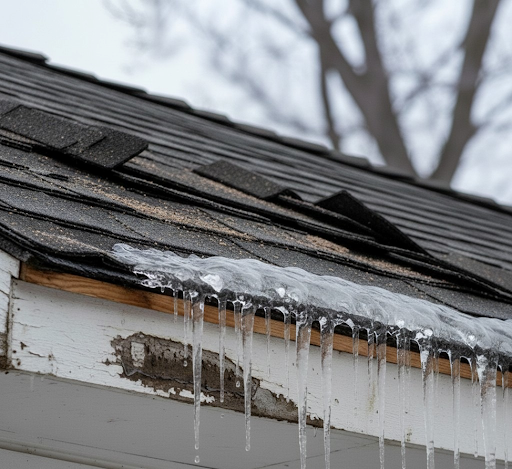
Ice dams form when warm air escapes into the attic due to poor insulation. This heat melts the snow on the roof, and the melted water flows to the colder edges where it refreezes. Over time, ice builds up along the eaves, blocking proper drainage. Water then backs up under the shingles and causes interior damage.
Several factors increase the risk of ice dams, including poor insulation, inadequate ventilation, and clogged gutters. Older homes or houses with complex rooflines are especially vulnerable.
How Can I Tell If My Roof Has Wind Damage or Ice Dam Problems?
Watch for these common warning signs:
- Missing, cracked, or curled shingles
- Shingle debris on the ground or in gutters
- Loose or sagging gutters
- Ceiling stains or water marks inside your home
- Long icicles hanging along the eaves
- Damp or compressed attic insulation
- Peeling paint near the roofline
Some signs are visible from the ground, but a professional inspection is safer and more thorough. Contact Union Roofing to identify hidden problems you might miss and get expert recommendations before they turn into winter roof emergencies.
What Should I Do Right Away If Winter Wind or Ice Damages My Roof?
If your roof is damaged during a winter storm, take these immediate steps:
- Move belongings away from leaks to protect furniture and valuables.
- Catch water with buckets or tarps to reduce interior damage.
- Avoid climbing on the roof, especially when it is snowy, icy, or visibly damaged.
- Take photos of the affected areas for insurance documentation.
- Contact Union Roofing for 24/7 emergency roof repair in Philadelphia and surrounding areas.
Acting quickly is essential. Water spreads fast and can lead to structural issues or mold growth within days. Union Roofing’s emergency response team helps limit damage and keeps repair costs under control by addressing problems right away.
How Often Should I Schedule Winter Roof Inspections in Pennsylvania and New Jersey?
To protect your home from winter roof damage, schedule at least one full roof inspection per year, ideally in the fall before winter weather begins. Homes with older roofs or a history of leaks may require additional inspections after major storms.
Call for an immediate inspection if you notice warning signs like missing or damaged shingles, water stains on ceilings or walls, or heavy icicles along the eaves.
Regular inspections help catch minor issues, such as loose flashing or minor shingle damage, before they develop into costly winter roof emergencies. During an inspection, Union Roofing technicians assess shingles, flashing, gutters, ventilation, and insulation to ensure your roof is prepared for winter conditions.
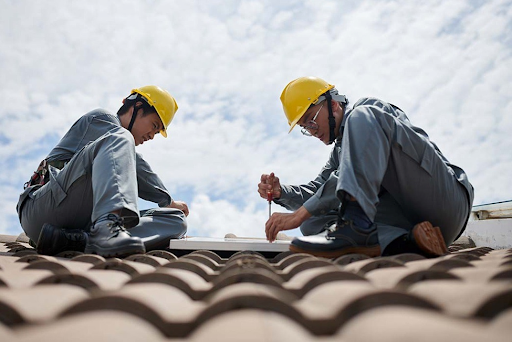
Signs Your Roof Is at Risk This Winter
Watch for these warning signs that indicate your roof may be vulnerable to winter damage:
Visible Wind Damage: Missing or curled shingles, debris on the ground or in gutters, loose or sagging gutters, and damaged flashing.
Interior Warning Signs: Water stains on ceilings or walls, peeling paint near the roofline, and damp or compressed attic insulation.
Ice Dam Clues: Long icicles hanging from eaves, uneven snowmelt on the roof, watermarks near rooflines, and ice buildup in gutters.
If you notice any of these signs, contact Union Roofing for a professional inspection. Our technicians can identify problems early and recommend solutions before they become winter roof emergencies.
How To Prevent Wind Damage to Your Roof in the Philadelphia Area
Protect your roof from wind damage by following these key steps:
- Schedule a Pre-Winter Roof Inspection: Union Roofing can identify loose shingles, damaged flashing, and weak points before winter storms arrive.
- Repair Loose or Damaged Shingles: Even minor damage can worsen in high winds. Our team can replace damaged shingles and secure flashing to prevent leaks.
- Trim Overhanging Branches: Remove branches that could break off and damage your roof during winter storms.
- Secure and Clean Gutters: Ensure gutters are firmly attached and free of debris to reduce wind damage and prevent ice dams.
Union Roofing offers residential roofing services that include all these preventive measures. Get a Free Winter Roof Repair Estimate to make sure your home is protected this winter.
How To Prevent Ice Dams on Your Roof
Keep your roof surface cold to reduce the risk of ice dams by following these steps:
- Improve Attic Insulation: Add insulation to your attic floor to prevent warm air from heating the roof deck, which helps reduce ice dam formation.
- Seal Air Leaks: Seal gaps around attic hatches, lights, and vents with caulk or spray foam to stop warm air from entering the attic.
- Ensure Proper Attic Ventilation: Ridge vents, soffit vents, and gable vents maintain airflow and keep the roof deck cold. Union Roofing can assess your ventilation during a winter roof inspection in Philadelphia, PA.
- Keep Gutters Clear: Clean gutters before winter and after heavy snowfalls. If ice buildup occurs, call Union Roofing for safe ice dam removal in Philadelphia rather than attempting it yourself.
- Remove Snow Safely: Use a roof rake from the ground to remove snow from the lower three to five feet of your roof. Never climb on a snowy or icy roof.
What To Do If You Already Have Winter Roof Damage
If wind or ice has damaged your roof, act quickly. Move belongings away from leaks, catch water with buckets, avoid climbing on the roof, take photos for insurance, and contact Union Roofing immediately. Union Roofing offers 24/7 emergency roofing services in Philadelphia and the surrounding areas.
Water damage can spread quickly and cause mold growth within days. Fast emergency roof repair in Philadelphia helps limit structural damage and reduces costs.
Union Roofing responds promptly throughout Philadelphia, Bucks County, Montgomery County, Delaware County, and nearby New Jersey areas, with licensed and insured technicians experienced in wind damage repair and ice-dam roof damage.
How Often to Schedule Winter Roof Inspections?
Schedule at least one full roof inspection per year, ideally in the fall before winter. Older roofs or those with a history of leaks may need additional inspections after major storms. Call immediately if you notice missing shingles, ceiling stains, or heavy icicles.
Regular inspections help catch small issues before they become winter roof emergencies. During inspections, Union Roofing technicians check shingles, flashing, gutters, ventilation, and insulation to ensure your roof is winter-ready.
Schedule a Winter Roof Inspection with Union Roofing to protect your home this winter.
Why Choose Union Roofing for Winter Roof Protection
Homeowners across Pennsylvania and New Jersey trust Union Roofing because we offer:
- Over 40 years of local experience handling PA and NJ winter roofing challenges
- 24/7 emergency roof repair services for urgent situations
- Licensed and insured contractors for professional, reliable work
- GAF and ATLAS certified technicians ensure quality installations and repairs
- A+ BBB rating with excellent customer reviews
- Full-service residential and commercial roofing solutions
Learn more about our residential roofing services and emergency roofing services to keep your home protected during winter storms.
Protect Your Roof This Winter
Winter roof emergencies caused by wind damage and ice dams are preventable. Schedule regular inspections, complete necessary repairs before winter, and improve attic insulation and ventilation to keep your home safe.
If you notice warning signs or roof damage, contact Union Roofing for fast, reliable roof wind damage repair, ice dam removal, and 24/7 emergency roof repairs in Philadelphia, PA.
Contact Union Roofing today to schedule your winter roof inspection or request emergency roof repair.

FAQs
Every chimney is different, so repair costs can vary. Roof pitch, access, flashing complexity, and the condition of the crown all factor in. But remember—most homeowners spend far less on preventative maintenance than on interior repairs after a leak. Investing in proper flashing and annual inspections is the best way to protect your home from water damage.
If the issue is at the roofline—flashing, shingles, or counter flashing—a roofer should handle it. For brick or mortar damage, a company that does both (like Union Roofing) is ideal.
Step flashing lies under shingles to guide water off the roof, while counter flashing seals into the chimney mortar to protect that joint. Both are essential for a watertight seal.
Yes. The crown protects the top of the masonry, and the cap keeps out rain, debris, and critters. They work together to prevent leaks.
We can perform most emergency repairs year-round, though certain sealants work best in moderate temperatures.
Once a year, ideally in the fall before freeze-thaw cycles begin.
Can winter wind damage my roof even if it looks fine from the street?
Yes. Strong winds can lift shingles, loosen flashing, and stress roofing materials, often in ways that are not visible from the ground. If you notice debris around your property or hear flapping on windy nights, schedule a professional inspection to catch wind damage before it becomes an emergency.
Are ice dams a common problem in the Philadelphia and New Jersey area?
Yes. Ice dams frequently occur during Pennsylvania and New Jersey winters, especially in homes with older insulation or poor attic ventilation. Regular maintenance and simple upgrades can significantly reduce the risk of ice dam roof damage.
Is it safe to remove ice dams myself?
No. Chipping ice or climbing onto snowy roofs is dangerous and can damage shingles or gutters. Stay on the ground, focus on improving insulation and ventilation while leaving ice dam removal and repairs to Union Roofing.
When should I call for emergency roof repair in winter?
Call immediately if you notice active leaks, new ceiling stains, heavy icicles along the eaves, or lifted shingles after a storm. Prompt emergency roof repair prevents structural damage, mold, and higher repair costs.
How often should I get my roof inspected for winter damage?
Schedule a full roof inspection at least once per year, ideally in the fall before snow and ice arrive. Homes with older roofs or a history of leaks may require additional inspections after major storms to prevent winter roof emergencies.