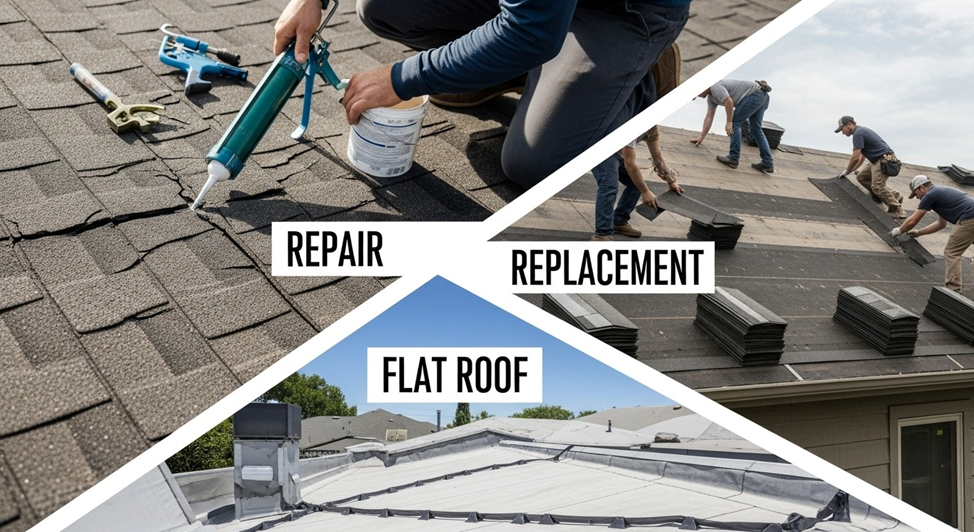
Winter storms don’t exactly check your calendar before arriving. When you spot a leak creeping across your ceiling or notice shingles blown off after a nor’easter, you’re left wondering what’s possible in the cold: a quick repair, or a full replacement?
Union Roofing has handled winter roofing issues across Philadelphia, Bucks County, and New Jersey for more than 40 years. So here’s the thing: both winter roof repair and winter roof replacement can be done safely and effectively when handled by trained crews. The key is knowing when each option makes sense.
Need immediate help? Call Union Roofing at (215) 464-6425 for a free winter roof inspection and estimate.
Can You Repair a Roof in Winter?
Yes, roof repairs can absolutely be performed during winter months, and in many cases, they should be done immediately to prevent escalating damage. However, successful winter roofing requires understanding the specific challenges that cold weather presents.
Temperature and Material Performance
Most homeowners ask the same thing: how cold is too cold for roofing? In general, asphalt shingles work best when temperatures stay above 40–45°F. Below that, shingles stiffen and adhesives don’t seal as quickly.
Experienced winter roofing teams know how to work around this by:
- Hand-sealing shingles with roofing cement
- Storing materials in heated areas before installation
- Using cold-weather adhesives specifically designed for lower temperatures
- Scheduling work during warmer daylight hours when temperatures peak
Flat roofing materials like EPDM, TPO, and metal tend to perform better in colder conditions, which is why many winter repair jobs on rowhomes and commercial buildings are still straightforward.
Safety Precautions for Winter Roofing Work
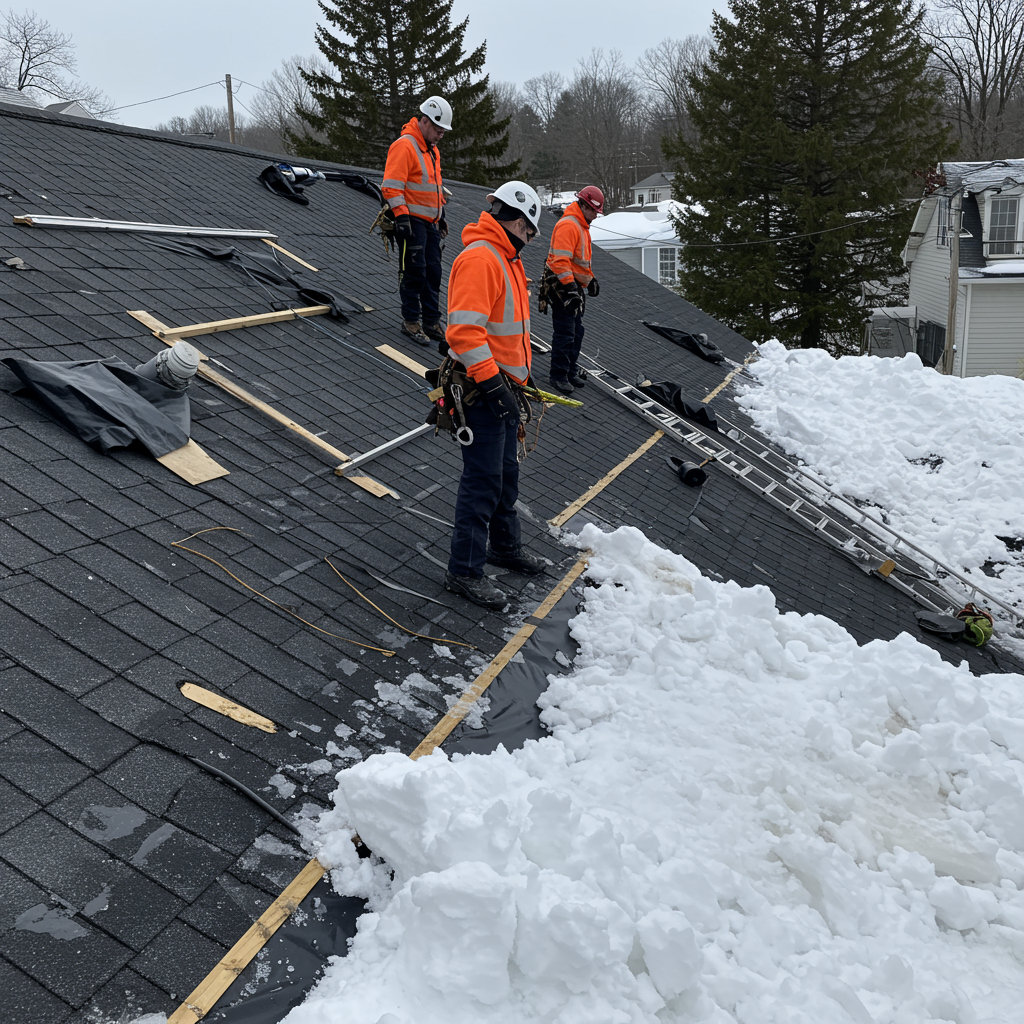
Winter roofing isn’t just about material performance, it’s about crew safety. Professional roofing companies follow strict safety protocols during cold weather work, including:
- Clearing ice and snow from work areas before starting
- Using additional fall protection equipment
- Monitoring weather conditions throughout the day
- Avoiding work during precipitation or extreme cold snaps
- Ensuring proper footing with specialized boots and safety harnesses
Union Roofing’s certified crews are trained specifically for winter installations and emergency repairs, ensuring both quality workmanship and jobsite safety regardless of season.
Is Roof Replacement Possible During Cold Weather?
While repairs are more common, roof replacement in winter is absolutely possible when the situation calls for it. The trick is knowing when waiting until spring is too risky.
When Replacement Is Unavoidable
Some roofing situations can’t wait until spring. You may need roof replacement in winter if:
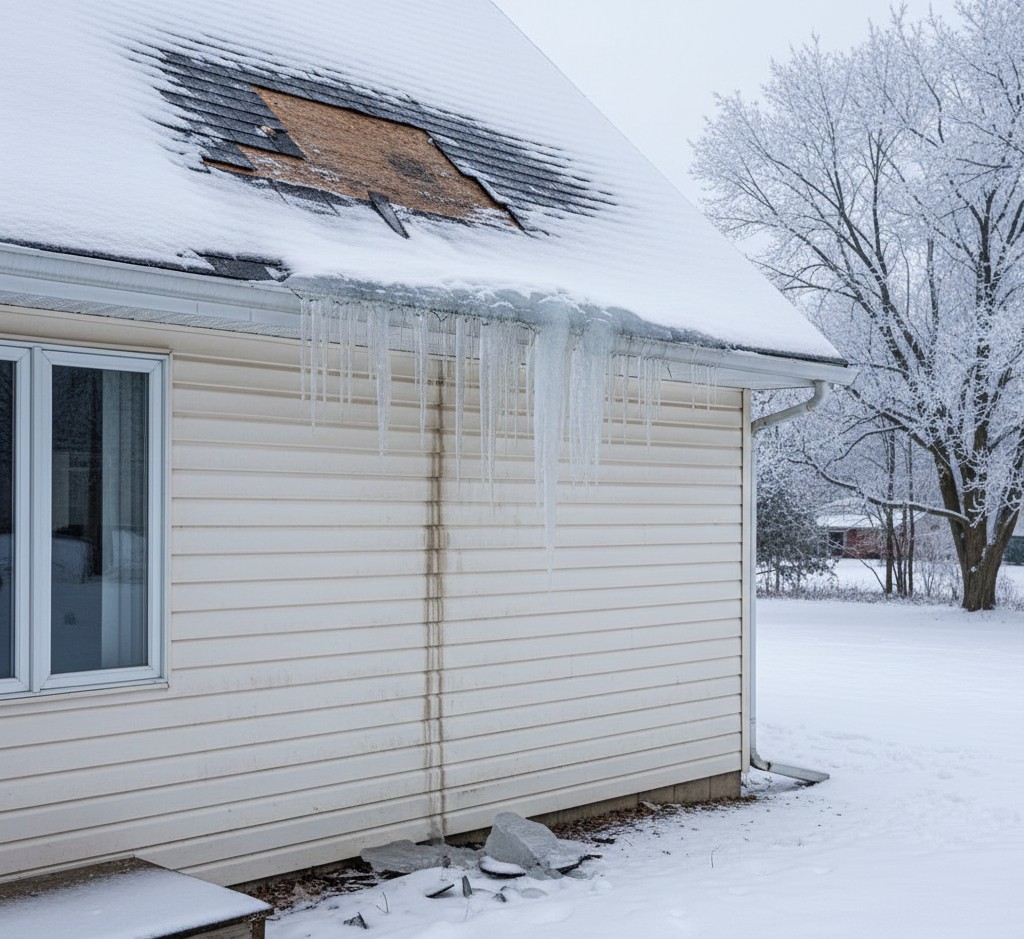
- Your roof has extensive structural damage from heavy snow loads or ice dams
- Multiple leaks indicate widespread material failure
- Your roof is nearing the end of its lifespan (20-25 years for asphalt shingles) and winter damage has accelerated deterioration
- Emergency roof repair winter costs would total nearly as much as partial replacement
- You’re selling your home and need a new roof for closing
In these scenarios, delaying replacement until warmer weather could result in interior water damage, mold growth, compromised insulation, and significantly higher overall costs.
How Winter Installation Differs
Roof replacement in winter requires additional steps that spring and summer installations don’t:
- Clearing snow and ice before teardown
- Making sure decking and underlayment are fully dry
- Using temperature-appropriate materials
- Allowing extra time for shingles to seal
- Scheduling around storms or cold snaps
An experienced roofing company can complete quality winter installations that perform just as well as those done in warmer months.
Risks of Delaying Replacement
Waiting until spring when your roof needs replacement now creates several risks:
- Ongoing leaks can damage insulation, drywall, and framing
- Mold and mildew may develop in moisture-affected areas
- Heating costs increase as compromised insulation allows warm air to escape
- Ice dams can form more easily on damaged roofs, causing additional harm
- Minor damage can escalate into major structural issues requiring more extensive repairs
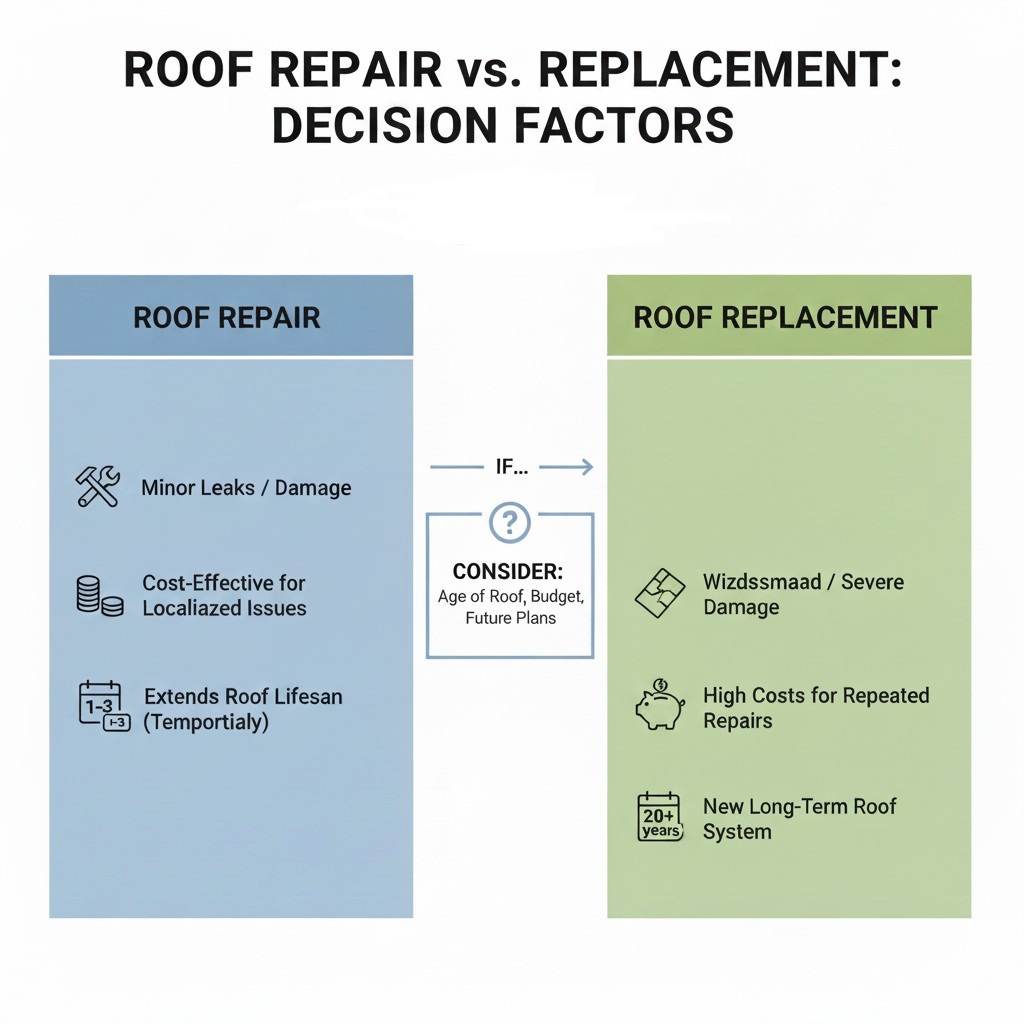
Repair vs. Replace: How to Choose the Right Option
Deciding between repair and replacement requires evaluating several key factors. Here’s how to approach the decision:
Assess the Severity of Damage
Minor Issues
- A few shingles are missing
- Flashing is loose
- The leak is isolated
- The roof is otherwise in good condition
Major Damage
- Multiple sections are leaking
- Shingles are cracking or curling across the roof
- The roof deck is sagging
- Interior stains show long-term moisture issues
Consider Your Roof’s Age
A roof’s age significantly impacts the repair-versus-replace decision:
- Newer roofs (under 10 years old) with localized damage are usually best served by repairs
- Mid-life roofs (10-15 years) require case-by-case evaluation based on damage extent
- Older roofs (15+ years) approaching the end of their lifespan often make replacement the more cost-effective long-term choice
Evaluate Cost Implications
While repairs cost less upfront, replacement may offer better value when:
- Repair costs exceed 30% of replacement cost
- You’ll need additional repairs within the next few years anyway
- Your roof requires frequent maintenance due to age
- Energy efficiency improvements from new roofing will reduce heating and cooling costs
Think Long-Term Value
A new roof increases home value, improves curb appeal, boosts energy efficiency, and comes with strong manufacturer warranties. If your roof is aging, replacement often pays off.
Benefits of Winter Roofing Work
Many homeowners assume they should wait until spring for roofing projects, but winter actually offers several advantages for both cold weather roof repair or replacement:
Winter roofing offers:
- Faster scheduling since demand is lower
- Immediate damage control before leaks spread
- Access to pros trained in cold-weather roofing
- Reduced risk of interior damage during storms
Handling problems now keeps your home protected through the harshest months.
Union Roofing’s Winter Roofing Expertise
With over 40 years serving Philadelphia, Bucks County, Montgomery County, and communities throughout Pennsylvania and New Jersey, Union Roofing has completed countless winter roofing projects.
What sets them apart:
- Year-round service for repairs, replacements, and maintenance
- GAF and ATLAS certified crews trained in winter installation methods
- 24/7 emergency roof repair for storm damage and sudden leaks
- A long track record of trusted service backed by an A+ BBB rating and high reviews
Whether it’s a small leak or severe storm damage, they approach every winter job with safety, skill, and the right equipment.
When to Call for an Inspection
Don’t wait for small problems to become major emergencies. Contact Union Roofing for a winter roof inspection if you notice:
- Water stains on ceilings or walls
- Missing, cracked, or curling shingles
- Ice dams forming along roof edges
- Visible daylight through roof boards in your attic
- Increased heating bills suggesting insulation problems
- Sagging roof sections or gutters pulling away from the house
Our free estimates provide clear information about your roof’s condition and your options for repair or replacement.
Get Expert Winter Roofing Solutions Today
Whether you need winter roof repair to stop an active leak or a full roof replacement to protect your home for years, Union Roofing has the experience and winter-ready equipment to do the job right.
Don’t let winter roof damage worsen while you wait for spring. Contact Union Roofing today to schedule your free inspection and estimate.
Call us at (215) 464-6425 or visit our website to request your consultation. We’re here to help Philadelphia-area homeowners make the best roofing decisions—winter, spring, summer, or fall.