When temperatures drop below freezing, your gutters do more than catch rain. Winter storms, snow, and ice all put extra stress on your gutter system. Without the proper gutter maintenance, winter weather can quickly turn small issues into expensive damage.
That’s why following a simple gutter maintenance winter routine before and during the cold months is one of the smartest ways homeowners can protect their roof, siding, and foundation.
Why Winter Is Tough on Gutters
Winter weather creates conditions gutters are not designed to handle on their own. Snow on the roof melts during the day, then refreezes overnight inside gutters and downspouts, blocking the normal path for water to drain. This cycle blocks water flow and adds significant weight to the system.
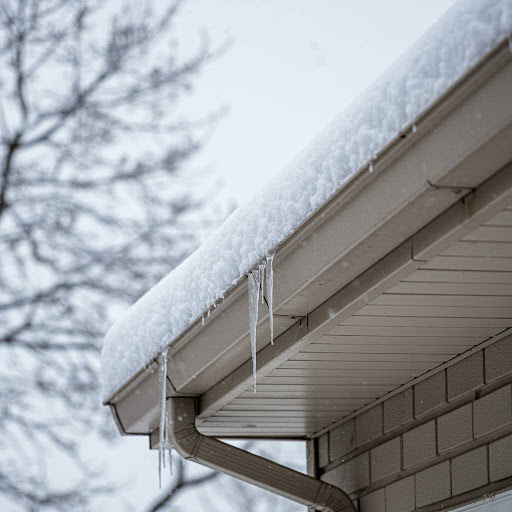
Even when ice is not visible from the ground, moisture trapped inside partially clogged gutters can freeze, expand, and push against seams and joints. Over time, this stress weakens the guttering protection your home depends on.
How Freezing Temperatures Damage Gutters
Cold-weather gutter damage often builds slowly. Knowing what to watch for helps homeowners catch problems early.
Ice dams and water backup
When gutters are blocked with debris, melting snow has nowhere to go. Water backs up along the roof edge and freezes into ice dams. This can force water under shingles and behind fascia boards, sometimes leading to interior leaks.
Expansion from freezing water
Water expands as it freezes. If liquid is trapped in seams, joints, or small cracks, the expansion can force those gaps wider. Over time, that repeated stress weakens sealant, fasteners, and hangers that are meant to keep everything watertight.
Sagging or pulling away from the roof
Ice is heavy. A long run of gutter filled with ice and packed snow can weigh hundreds of pounds, especially on older systems. That weight pulls on the fasteners holding the gutter to your home, causing sections to sag or tilt away from the fascia.
Cracks, leaks, and fascia damage
Once gutters begin to sag, water no longer flows to the downspouts. Instead, it may spill over the sides, drip directly onto siding, or run behind the gutter where you cannot see it.
Why Winter Gutter Maintenance Matters
Gutters may seem small, but they play a critical role in protecting your home during winter.
- Preventing costly repairs: Regular gutter maintenance helps avoid expensive repairs caused by water-damaged fascia, soffits, and roofing materials.
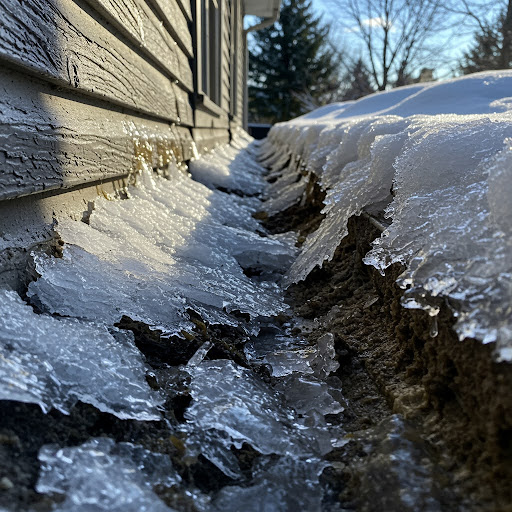
- Protecting roofing, siding, and foundation: When gutters fail, water can soak siding and collect near the foundation. In freezing conditions, this leads to ice buildup and increased pressure on concrete and masonry.
- Maintaining proper drainage during snowmelt: Clear gutters allow melting snow to flow safely through downspouts instead of refreezing on walkways, driveways, and entry areas.
Instead of treating gutter problems as emergencies, think of winter gutter maintenance as preventative care for your whole exterior.
Essential Gutter Winter Tools Homeowners Should Know About
You do not need a garage full of equipment to protect your gutters. A few basic gutter winter tools can make maintenance safer, easier, and far more effective.
- Gutter scoops: A simple plastic or metal scoop helps remove leaves, twigs, and built-up debris from inside the gutter channel. Using one before temperatures drop below freezing keeps debris from trapping water and forming ice.
- Roof rakes: A roof rake with an extended handle allows you to gently pull snow off the roof edge from the ground. Clearing snow above the gutters reduces pressure on the system and lowers the risk of ice dam formation. Always follow manufacturer instructions and avoid scraping shingles.
- Heated gutter cables: In some climates, heated cables can be installed along the roof edge or inside gutters to help melt ice and keep channels clear. Because these systems involve electricity and specific installation requirements, they are best handled by a professional who understands both roofing and safety standards.
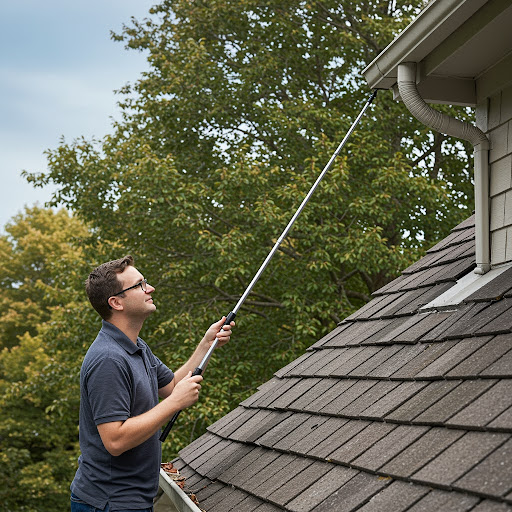
Extension tools for safer ground‑level cleaning: Telescoping wands and brushes designed for gutter maintenance tools can help rinse or brush light debris from the ground. These tools are especially useful for routine checks during winter when ladder use can be dangerous. The right tools make it easier to practice regular gutter maintenance winter routines without putting yourself at unnecessary risk.
DIY Winter Gutter Maintenance Tips (Safety‑First)
Basic maintenance is manageable for many homeowners, but safety should always come first.
Clear leaves before the first freeze
Late fall is the best time for gutter cleaning. Once trees have dropped their leaves, remove all visible debris from gutters and downspouts so water can flow freely before freezing temperatures set in.
Check downspouts for blockages
Make sure water can flow out the bottom of each downspout. If necessary, use a garden hose on a mild day to flush clogs. Pay attention to where water exits; it should be directed away from the foundation.
Inspect gutters after major storms
After heavy snow, ice, or wind, walk around your home on a clear day and look for sagging sections, overflows, or ice hanging from the gutters. Early signs of trouble can often be addressed before they cause significant damage.
Avoid ladder use in icy conditions
Never climb a ladder when the ground, rungs, or your shoes are slick with ice or snow. If access feels unsafe or uncomfortable, it’s better to pause and call a professional than risk a fall.
Safety disclaimer: If you have a multi‑story home, steep rooflines, or noticeable ice buildup, do not attempt DIY repairs. Professional help is the safest option in these situations.
When to Call a Professional for Gutter Maintenance
Some winter issues require experienced help.
- Persistent ice buildup or ice dams: If you see thick ridges of ice along the roof edge or gutters that stay frozen solid for long periods, a professional can check for underlying ventilation, insulation, or drainage issues.
- Sagging, detached, or leaking gutters: Gutters that pull away from the house, drip at the seams, or lean forward indicate that hardware or sections may need repair or replacement before the next storm.
- Water pooling near the foundation: If you notice puddles near the base of your home after snowmelt or rain, it may mean your downspouts are not directing water far enough away. A professional can evaluate slope, extensions, and possible drainage upgrades.
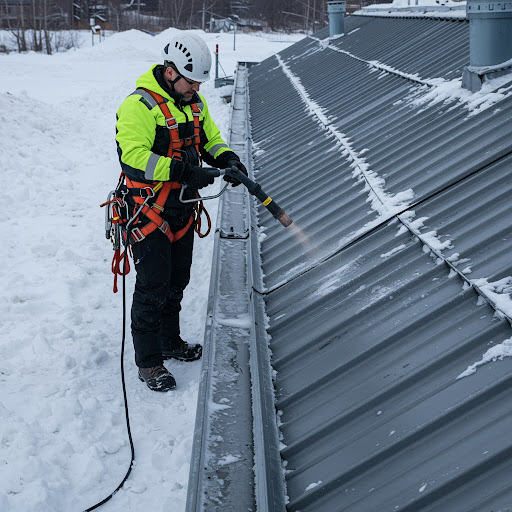
- Hard‑to‑reach or multi‑story homes: Tall houses and complex rooflines make DIY work risky. Professional crews have the training, harnesses, and equipment to handle these conditions safely.
Professional gutter maintenance ensures problems are addressed safely and correctly before they worsen. .
How Union Roofing Helps Homeowners Prepare for Winter
Union Roofing brings more than 40 years of experience helping homeowners prepare their roofing and gutter systems for winter.. Their team provides gutter inspections, maintenance, and repairs designed to prevent cold-weather damage before it starts., By evaluating how roofs, gutters, downspouts, and drainage work together, Union Roofing helps ensure water moves safely away from the home throughout the winter season.
Conclusion: Stay Ahead of Winter with Smart Gutter Maintenance
Freezing temperatures, snow, and ice are tough on gutters, but they do not have to cause damage. With consistent gutter maintenance winter routines, the right gutter maintenance tools, and a clear plan for when to call in a professional, you can protect their exterior all season long.
If you are unsure about the condition of your gutters or have noticed ice, sagging sections, or water pooling where it shouldn’t, consider schedule a professional gutter inspection before the next cold snap.
Learn more about Union Roofing’s gutter services or Contact Union Roofing for expert winter preparation, so your home is ready long before the next storm rolls in.