Roof damage can feel overwhelming , especially after a storm. Many homeowners are unsure what their insurance may cover, what documentation matters most, or how long the process usually takes. This roof insurance claim guide for homeowners explains how claims generally work, what to expect at each stage, and common mistakes to avoid without promising outcomes or approvals.
This guide is written for homeowners in Pennsylvania and New Jersey who want clear, neutral information before deciding whether to file a claim.
How Roof Insurance Claims Work
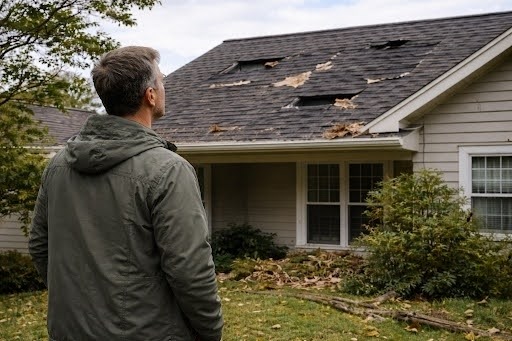
A roof insurance claim is a request asking your insurance provider to review roof damage and determine whether it may be covered under your homeowners policy. Coverage decisions are based on the cause of damage, the condition of the roof, and the specific terms of the policy.
In most cases, the roof insurance claim process follows a similar pattern. The homeowner reports the damage, provides documentation, allows an inspection, and then receives a coverage decision. Timing and outcomes vary depending on policy details, documentation quality, and the nature of the damage.
Roof insurance claims typically begin when a homeowner reports damage linked to a specific event. The insurer reviews the policy, inspects the roof, and determines whether coverage applies. Decisions depend on the cause of damage, roof condition, and documentation, not on the repair contractor involved.
What Roof Damage Is Typically Covered by Insurance
Homeowners often ask, does homeowners insurance cover roof damage? The answer depends on the policy and whether the damage resulted from a sudden, covered event rather than gradual wear.
Damage that is often associated with covered events may include:
- Wind damage such as lifted or missing shingles
- Hail impacts including bruising or granule loss
- Falling debris or tree impact during a storm
Common exclusions can include normal aging, long-term leaks, poor maintenance, and gradual deterioration. Even when storm damage is present, insurers often consider the roof’s age and prior condition.Homeowners may also review storm damage roofing services to better understand post-storm inspection and repair considerations.
When to File a Roof Insurance Claim
Knowing when to file a roof insurance claim matters because most policies often include reporting timeframes. Filing closer to the storm date can help clarify when the damage likely occurred.
Consider filing when:
- Visible roof changes appear soon after severe weather
- Interior staining or leaks develop shortly after a storm
- A specific storm date can reasonably be identified
Waiting too long can make it harder to connect damage to a covered event, especially if additional weather occurs. When damage severity is unclear, documentation and a professional inspection can help homeowners make informed decisions.

How to File a Roof Insurance Claim
Below is a step-by-step overview of how to file a roof insurance claim, designed for clarity and planning.
- Review your policy basics: Look for covered perils, exclusions, deductibles, and reporting requirements.
- Document visible damage safely: Take photos/videos from the ground or safe vantage points. Avoid getting on the roof if it’s unsafe.
- Contact your insurance provider: Report the damage and request the claim number and next steps. Ask what documentation they prefer.
- Schedule the adjuster inspection: The insurer may arrange an adjuster visit to assess damage and create an estimate.
- Read the decision carefully: Read what is included, excluded, and any deadlines that apply.
This roof insurance claim guide for homeowners is meant to help you follow these steps calmly and clearly.
Documenting Roof Damage for an Insurance Claim
Clear documentation helps insurers understand what happened and when. A practical roof damage insurance claim guide focuses on accuracy rather than volume.
Recommended documentation:
- Photos and short videos of all visible damage (wide + close-up shots)
- Notes on the date you noticed the problem and the storm timeframe
- Interior photos if leaks or staining occurred after the same event
- Receipts for emergency mitigation (if applicable)
In some situations, a professional roof inspection or repair assessment can help homeowners better understand visible damage and document current roof conditions.
What to Expect From the Insurance Adjuster
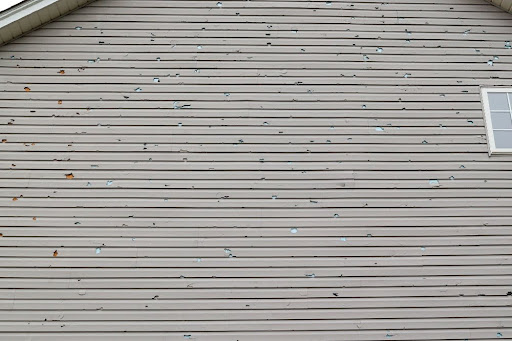
An adjuster visit is typically an information-gathering step. The adjuster may take photos, measure the roof, and note damage patterns that suggest wind or hail.
Homeowners may be asked:
- When the damage was first noticed
- Whether prior roof issues existed
- Whether any temporary steps were taken to stop active leaking
The adjuster’s findings help the insurer determine whether coverage applies. Outcomes may include approval, partial approval, or denial based on policy terms.
Roof Insurance Claim Timeline
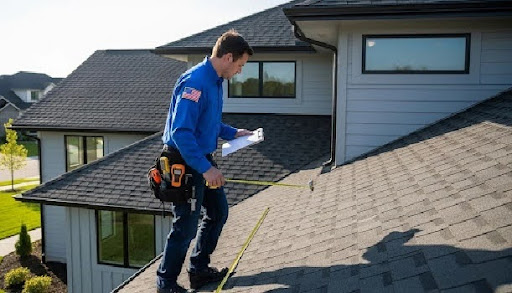
The roof insurance claim timeline can vary widely. Some claims move quickly, while others take longer due to storm volume, scheduling, or requests for additional information.
Typical stages include:
- Days 1–7: Claim reported and acknowledged
- Weeks 1–3: Adjuster inspection completed
- Weeks 2–6: Coverage decision issued
- After decision: Repairs or replacement scheduled, if applicable
If you’re wondering how long do roof insurance claims take, a few weeks is common, though timelines can extend after widespread storms or when documentation is incomplete.
Common Reasons Roof Insurance Claims Are Denied
Understanding roof insurance claim denied reasons can help homeowners avoid preventable issues.
Common denial drivers include:
- Damage attributed to wear and tear rather than a sudden event
- Late reporting beyond policy timelines
- Insufficient documentation tying damage to a storm date
- Exclusions related to roof age, prior condition, or maintenance
A denial does not necessarily mean damage is absent. It reflects the insurer’s determination under the policy. Reviewing the written explanation closely helps clarify the decision.
How Roofing Professionals Can Help
Roofing professionals may help homeowners understand whether damage appears limited to repairs or whether roof replacement may be considered based on roof condition. Their role is inspection- and repair-focused, not policy-focused.
Support may include:
- Independent inspection and condition notes
- Repair vs. replacement assessment based on the roof system
- Photos and documentation that reflect observed damage
This roof insurance claim guide for homeowners does not imply any contractor can control insurer outcomes. Coverage decisions remain with the insurer under the policy.

What Homeowners Should Do After a Claim Decision
Next steps depend on the insurer’s decision.
- If approved: Review the scope, deductible, and any deadlines. Confirm what work is included before scheduling.
- If partially approved: Separate covered items from non-covered items and plan accordingly.
- If denied: Review the denial explanation and consider the insurer’s stated options (high-level), such as providing additional documentation if requested.
Keeping claim documents, photos, and repair records organized helps homeowners understand what was decided and why.
Get Professional Guidance After Roof Damage
For homeowners in Pennsylvania and New Jersey, Union Roofing offers roof inspections and roofing services after storms, including repair and replacement assessments.
Homeowners who want a clearer picture of their roof’s condition may choose to request a roof inspection to better understand potential repair or replacement needs.