After a storm passes through Pennsylvania or New Jersey, your first concern is the safety of your family and home. Even when the weather clears, wind, hail, and heavy rain can leave behind damage that is not immediately obvious.
Knowing how to check for roof damage after storm events helps homeowners spot early warning signs, avoid unnecessary risks, and understand when professional help is needed. This storm damage roof inspection checklist walks you through what to safely look for, what problems may indicate deeper issues, and when it is time to call a roofing professional.
Storm Inspection Checklist:
- Conduct a safe ground-level inspection using binoculars
- Check for missing, lifted, or damaged shingles
- Look for dents or cracks in roofing materials
- Inspect siding for cracks, warping, or loose panels
- Examine gutters and downspouts for damage
- Check interior ceilings and attic for water stains
- Contact a professional roofer if any damage is suspected

Why Post-Storm Roof and Siding Inspections Matter
Understanding how to check for roof damage after storm events can save homeowners thousands in repair costs. Storm damage to your roof or siding isn’t always immediately visible from the ground. Small cracks, loose shingles, or minor dents may seem insignificant at first, but they can quickly escalate into serious problems. Water can seep through compromised areas, leading to rot, mold, and structural damage inside your home. A thorough post storm home inspection checklist helps you identify issues early, preventing minor damage from becoming major repairs.
Safety First – Before You Inspect
Before checking your home, safety should always come first. Never climb onto your roof after a storm. Wet surfaces, loose materials, and hidden structural damage can make roofs unsafe even for experienced homeowners.
Limit your inspection to ground level. Use binoculars to view rooflines, shingles, and flashing from a safe distance. If something does not look right or you cannot clearly see certain areas, a professional inspection is the safest next step.
How to Check for Roof Damage After Storm Events
Knowing how to check for roof damage after storm conditions requires a systematic approach. Here’s a detailed checklist to help you identify signs of roof storm damage:
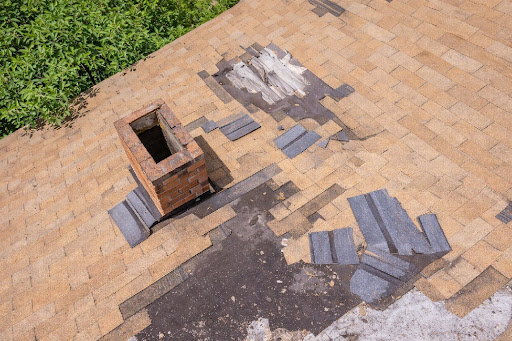
Missing or Lifted Shingles: High winds can loosen or remove shingles entirely. Missing shingles after storm activity expose the underlayment and increase the risk of water intrusion.
Dents, Cracks, or Granule Loss: Hail and debris can damage shingles and strip away protective granules. Excess granules in gutters or on the ground may indicate impact damage.
Flashing Damage: Flashing around chimneys, vents, and skylights may become bent or displaced during storms. Damaged flashing is a frequent source of leaks.
Debris Impact: Fallen branches or airborne debris can puncture or scrape roofing materials. Even small impacts can compromise protective layers.
Following this roof and siding storm damage checklist helps homeowners recognize potential problems early and decide whether a professional evaluation is needed.
Roof Damage to Look For After Wind or Hail
Different types of storms cause different kinds of damage. Paying attention to the type of weather your area experienced can guide your inspection.
Wind Damage Indicators
Strong winds common in Pennsylvania and New Jersey storms can cause:
- Loose or curled shingle edges
- Shingles that have been completely torn away
- Exposed underlayment or roof decking
- Damage to roof vents or ridge caps
These are key items to watch for during a wind damage roof inspection.
Hail Damage Indicators
Hail damage is often subtle and may not cause immediate leaks. Use this hail damage roof checklist to guide your inspection:
- Dented or dimpled shingles
- Cracks in shingles or flashing
- Loss of protective granules, leaving shiny or dark spots
- Dents on metal components like vents, flashing, or gutters
Hail can weaken roofing materials over time, making professional evaluation especially important.
How to Check Siding for Storm Damage
Siding plays a major role in protecting your home from moisture. A complete roof and siding storm damage checklist should include:
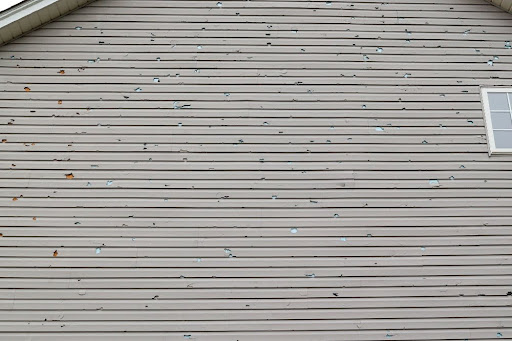
- Cracks or warping from wind or hail impact
- Loose or missing panels caused by strong gusts
- Impact marks or dents from debris
- Signs of water intrusion, such as damp areas near walls
Damage behind siding may not be visible immediately, which is why professional inspections are often recommended.
Interior Signs of Storm Damage
Some of the most telling damage signs appear inside the home:
- Water stains on ceilings or walls
- Damp insulation or moisture in the attic
- Musty odors indicating trapped moisture
- Drafts caused by damaged siding or flashing
Interior symptoms often point to roof or siding issues that require further inspection.
Post-Storm Home Inspection Checklist
Use this post storm home inspection checklist to ensure nothing is overlooked:
- Exterior Overview: Walk around your property and look for fallen branches, displaced siding, or visible roof damage.
- Roof Inspection: Use binoculars to examine shingles, flashing, vents, and chimneys from the ground.
- Siding Inspection: Check all sides of your home for cracks, dents, loose panels, or impact marks.
- Gutters and Downspouts: Ensure they are securely attached and free of debris or damage.
- Interior Check: Look for ceiling stains, attic moisture, or drafts that suggest hidden damage.
Knowing what to check after a storm damage event helps homeowners take informed next steps.
When to Call a Roofing Professional
A homeowner inspection is only a starting point. You should contact a storm damage roof inspection professional if you notice:
- Any missing or damaged shingles
- Visible dents, cracks, or granule loss
- Damaged flashing or vents
- Water stains inside your home
- Uncertainty about the extent of damage
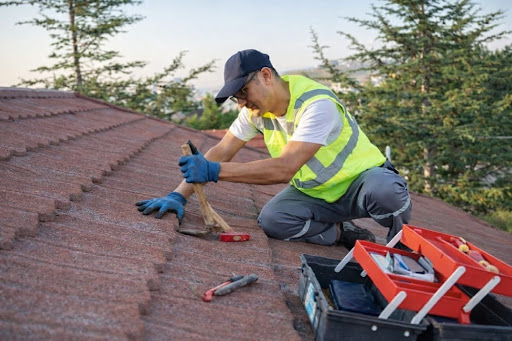
A professional roofing inspector has the training and equipment to safely assess your roof and siding. They can identify issues you might miss and provide a detailed report of the damage. Knowing when to call a roofer after a storm can prevent small problems from turning into major repairs.
Professional inspections are especially important if you plan to file an insurance claim. An experienced roofer can document the damage thoroughly and provide the necessary evidence to support your claim.
Get Professional Help After a Storm
Storms across Pennsylvania and New Jersey can cause damage that is not always visible from the ground. While learning how to check for roof damage after storm events is important, climbing onto your roof is never recommended without proper training and equipment.
If you’ve noticed any signs of storm damage or simply want peace of mind, contact a trusted local roofing professional. At Union Roofing, we specialize in storm damage inspections and repairs throughout Pennsylvania and New Jersey. Our experienced team can assess your home safely, identify hidden damage, and provide honest recommendations for repair or replacement.
Schedule your storm damage inspection to protect your home for years to come.