
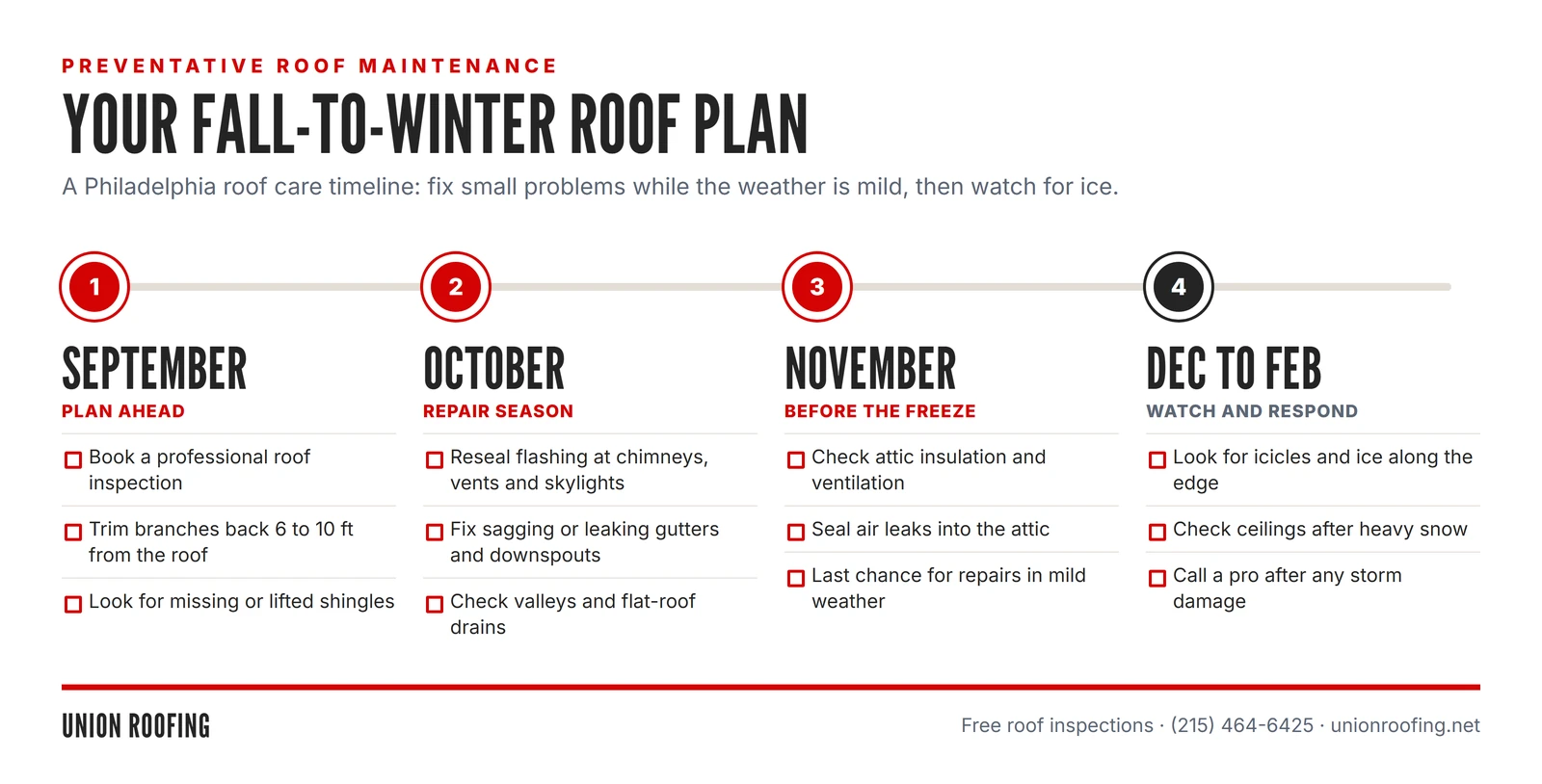
Your roof is your home’s first line of defense against Philadelphia weather, and fall is when it needs the most attention. Leaves pile up in valleys and gutters, autumn storms loosen shingles and flashing, and once the freeze-thaw cycles start, any water that gets in does more damage. Preventative roof maintenance means catching those small problems early, while they are still quick, low-cost fixes, instead of waiting for a leak in January.
This guide covers what preventative maintenance involves, a fall and winter checklist for Philadelphia homes, how to prevent ice dams, and when to bring in a professional.
What Is Preventative Roof Maintenance?
Preventative roof maintenance is regular care that keeps a sound roof sound: seasonal inspections, resealing worn flashing, keeping gutters and drains working, and replacing the odd damaged shingle before it turns into a leak. A roof is a system. Shingles, flashing, sealants, valleys, gutters, and attic ventilation all work together to keep water out, and when one part starts to fail, the rest is put at risk.
| Preventative maintenance | Roof repair | Roof replacement | |
|---|---|---|---|
| When | Before problems start, ideally spring and fall | After damage shows up | When the roof is worn out or damage is widespread |
| Typical work | Inspection, resealing flashing, re-securing or replacing a few shingles | Fixing leaks, damaged flashing, and storm damage | A new roof system |
| Goal | Keep a sound roof sound | Stop damage that has already started | Start fresh with a new roof |
| Relative cost | Lowest | Moderate | Highest |
Your Fall and Winter Roof Maintenance Checklist
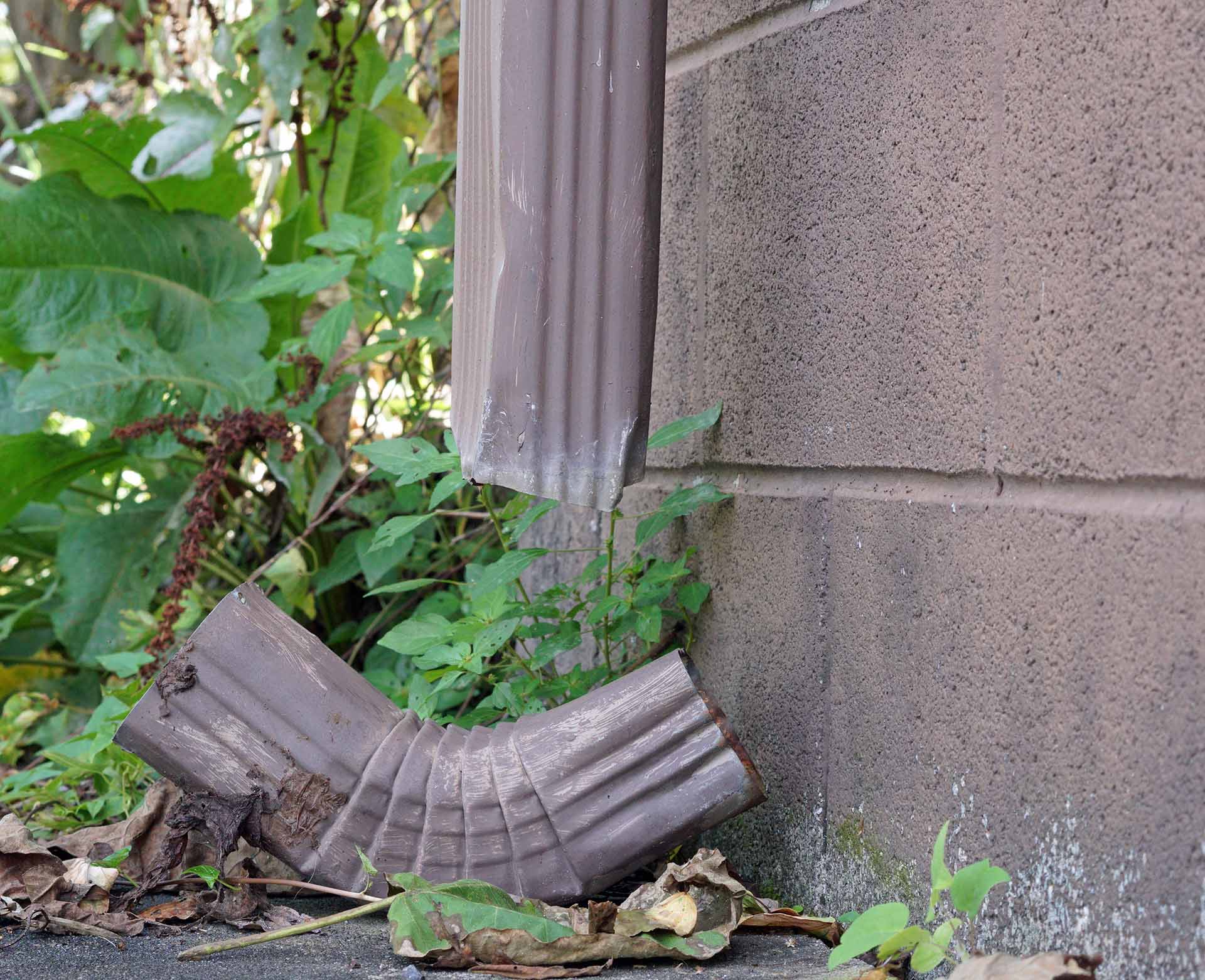
1. Make Sure Gutters and Downspouts Drain
Gutters that sag, leak, or pull away can’t carry water off the roof. It overflows, soaks the fascia boards, and can back up under the roof edge. In winter, that trapped water freezes and makes ice dams more likely.
- After a heavy rain, look for water spilling over the front of the gutters or dripping from the seams
- Look for sagging sections, loose brackets, and gutters pulling away from the fascia
- Check that downspout elbows are attached and carry water well away from your foundation
If your gutters are sagging, leaking, or damaged, our gutter repair and installation team can repair or replace them before winter.
2. Check Roof Valleys and Flat-Roof Drains
Roof valleys, where two slopes meet, collect leaves and twigs that hold moisture against the roof. Flat and low-slope roofs, common on Philadelphia rowhomes, are even more vulnerable: a blocked drain or scupper lets water pond on the roof, which wears down the membrane and leads to leaks. Check both after every big leaf drop and after storms.
3. Trim Overhanging Branches
Branches over your roof drop leaves straight onto the shingles, scrape and puncture roofing in high winds, and give squirrels an easy route into your gutters and attic. Trim branches back 6 to 10 feet from the roof before the heaviest leaf fall. A local tree service can prune them safely without harming the tree or your roof.
4. Inspect Flashing and Sealants
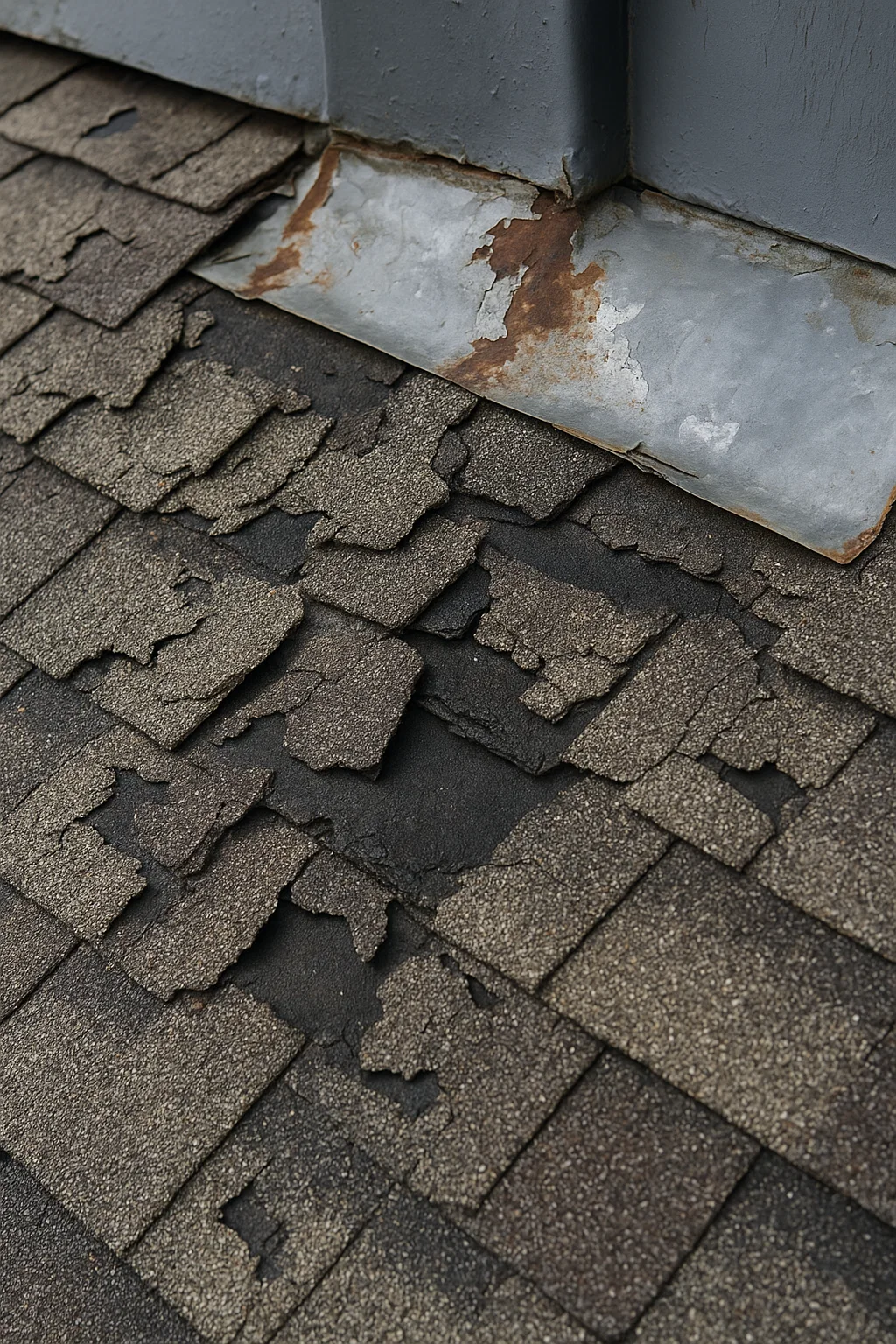
Flashing and sealants around chimneys, vents, pipe collars, and skylights are some of the most common sources of leaks, and they wear out long before the shingles do. Look for bent, rusted, or separated flashing and cracked or missing caulk.
Resealing these joints in the fall keeps water out when winter storms arrive.
5. Check Shingles for Wear and Storm Damage
From the ground, with binoculars, look for missing, cracked, curled, or lifted shingles, and for granules collecting in your gutters. Lifted shingles are easy for winter winds to tear off, so it pays to have them re-secured or replaced now. Our roof inspection checklist walks you through every item.
6. Consider Gutter Guards
Gutter guards or leaf screens block most debris while letting water flow through, which means fewer clogs, less overflow, and less risk of fascia damage. Learn more in our gutters and gutter guards guide.
7. Look After Your Attic
Good attic ventilation and insulation protect your roof from the inside. Check for damp or darkened wood, wet insulation, mold, or a musty smell. In cold weather, frost or heavy condensation on the underside of the roof deck is a sign that warm, moist air is getting trapped.
8. Book a Professional Inspection Before the Freeze
A homeowner check catches the obvious problems. A professional inspection catches the rest, such as broken shingle seals, hidden moisture, and worn flashing that you can’t see from the ground. Early to mid-fall is the best time, while the weather is still good for repairs. Book a roof inspection before the first hard freeze.
How to Prevent Ice Dams
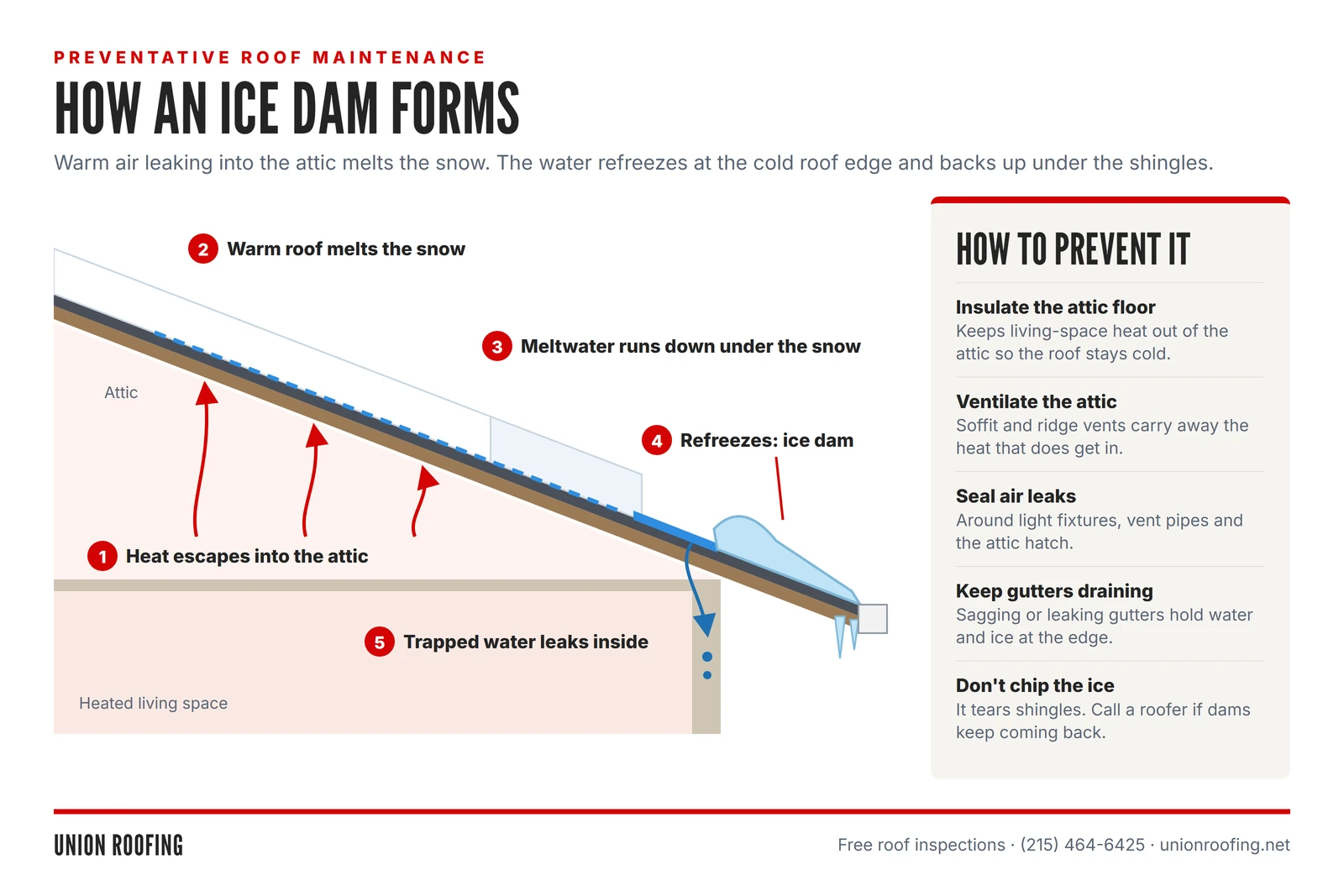
Ice dams form when heat escaping from your home melts snow on the upper roof. The meltwater runs down to the colder eaves, refreezes, and builds a ridge of ice that traps more water behind it. That water can back up under the shingles and leak into your ceilings and walls. To lower the risk:
- Improve attic insulation and ventilation so your roof deck stays cold and snow melts evenly
- Seal air leaks into the attic around light fixtures, vents, and attic hatches
- Get sagging or leaking gutters fixed before the first snow so meltwater can drain
- Never chip ice off the roof. It damages shingles. Call a professional if ice dams keep coming back
The Long-Term Benefits of Preventative Maintenance
A longer-lasting roof
Fixing minor issues early keeps the whole system intact and can delay a costly replacement.
Fewer emergency repairs
A resealed vent or a replaced shingle costs far less than repairing rotted decking or water-damaged ceilings.
A safer, drier home
A well-maintained roof protects against leaks, mold, and structural damage.
Better energy efficiency
A sound, well-sealed roof with good ventilation helps keep heating and cooling costs down.
What a Union Roofing Maintenance Visit Includes
Every residential roof maintenance visit starts with a thorough inspection of the whole roofing system. A typical visit covers:
- Shingles, ridges, valleys, flashing, and drip edges, checked for wear, lifting, or granule loss
- Gutters and downspouts, checked for sagging, leaks, and loose brackets
- Chimney flashing and caps
- Sealants and caulking around skylights, vents, and other penetrations
- Attic ventilation and early signs of leaks
We can handle many minor repairs during the same visit, such as resealing flashing, replacing or re-securing damaged shingles, and sealing small pipe-collar cracks. If you’d rather not keep track yourself, we can set up a recurring annual or spring-and-fall schedule for your roof.
We’ll always be straight with you. Maintenance keeps a sound roof sound. It can’t save a roof that has reached the end of its life. If we find widespread deterioration or damaged decking, we’ll tell you directly and walk you through your options, with no pressure.
Preventative Roof Maintenance FAQs
How often should I have my roof maintained?
An annual professional inspection works well for most homes. Older roofs, homes under heavy tree cover, and roofs that take a beating from storms benefit from a spring and fall routine. Book an extra check after any major storm.
What’s the difference between preventative maintenance and roof repair?
Preventative maintenance is routine care that stops damage before it starts, like resealing flashing and replacing the occasional shingle. Roof repair fixes damage that has already happened, such as a leak, and is usually more extensive and more expensive.
Should I repair or replace my gutters?
Repair usually makes sense for an isolated leak, a loose bracket, a cracked downspout, or a short damaged section. Replacement makes more sense when several seams leak, long runs sag, or the gutters are rusted through. Union Roofing does both, and estimates are free.
Can I remove leaves from my roof myself?
Only what you can reach safely from a stable ladder. Don’t climb onto a wet, leaf-covered, or icy roof. For steep or multi-story homes, call a professional.
How do leaves damage a roof?
Wet leaves trap moisture against your shingles, which leads to rot and mold. When leaves block gutters or valleys, water can back up beneath the roofline and into the walls, causing leaks inside your home.
When should I schedule a fall roof inspection?
Early to mid-fall is best, before the weather turns cold and icy. Booking early leaves time to make any repairs safely before winter.
Get Your Roof Ready for Winter
Union Roofing is a family-run, licensed, and insured roofing company serving Philadelphia, Bucks, Montgomery, and Delaware Counties, and South Jersey for more than 40 years. Our GAF and ATLAS-certified Master Elite roofers can inspect your roof, take care of small repairs, and set up a maintenance schedule that fits your home. Estimates are always free.