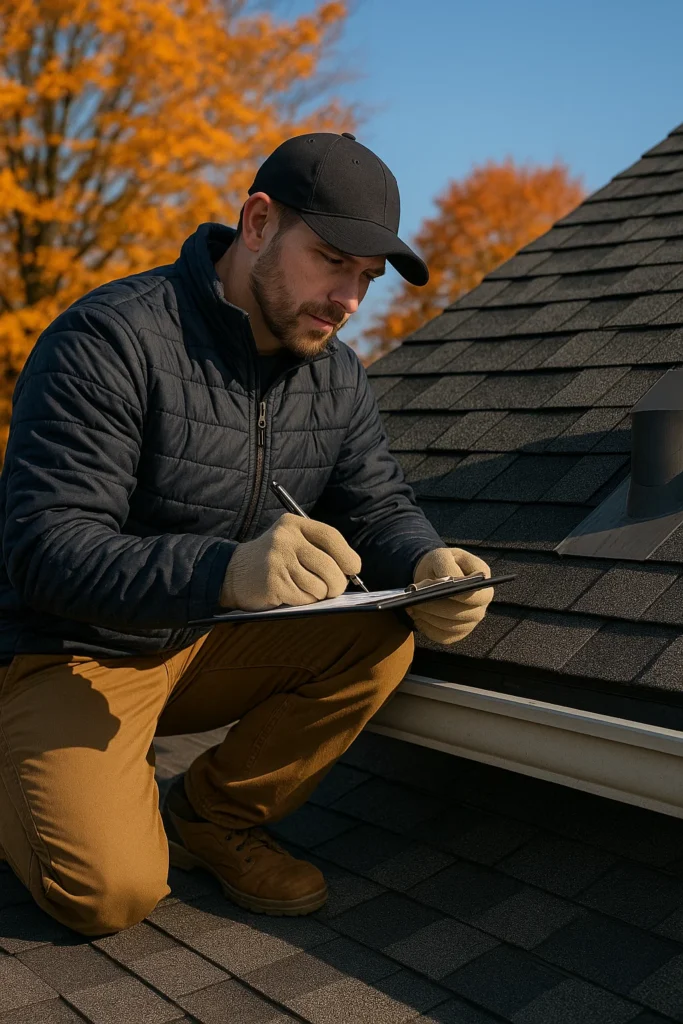
Before the first frost hits, scheduling a winter roof inspection can help you avoid leaks, heat loss, and emergency repair calls. Pennsylvania winters are tough on roofing, and small issues in the fall can quickly snowball. Read on for five signs that your roof needs a winter inspection before the next storm arrives.
1. Damaged or Missing Shingles
Autumn winds and heavy rains often loosen or dislodge shingles. Curling edges, cracks, or bare patches on your roof are clear signs that moisture can find its way inside. Even a few damaged shingles can lead to leaks once ice and snow begin to accumulate. A professional roof inspection allows for timely roof repairs.
Pro tip: Keep a pair of binoculars handy so you can safely inspect your roof from the ground, especially after storms. Add “check shingles” to your winter roofing checklist each November to catch early signs of damage.
2. Water Stains or Interior Leaks
Water stains on ceilings or walls usually mean moisture has already entered your home. A winter roof inspection can identify small leaks before they turn into expensive repairs. Check your attic for damp insulation or darkened wood. If ignored, leaks can lead to mold growth and structural damage.
Pro Tip: Use a flashlight to inspect your attic on a sunny day. If you see light shining through the roof boards, that’s a clear sign of a potential leak.
3. Clogged Gutters and Poor Drainage
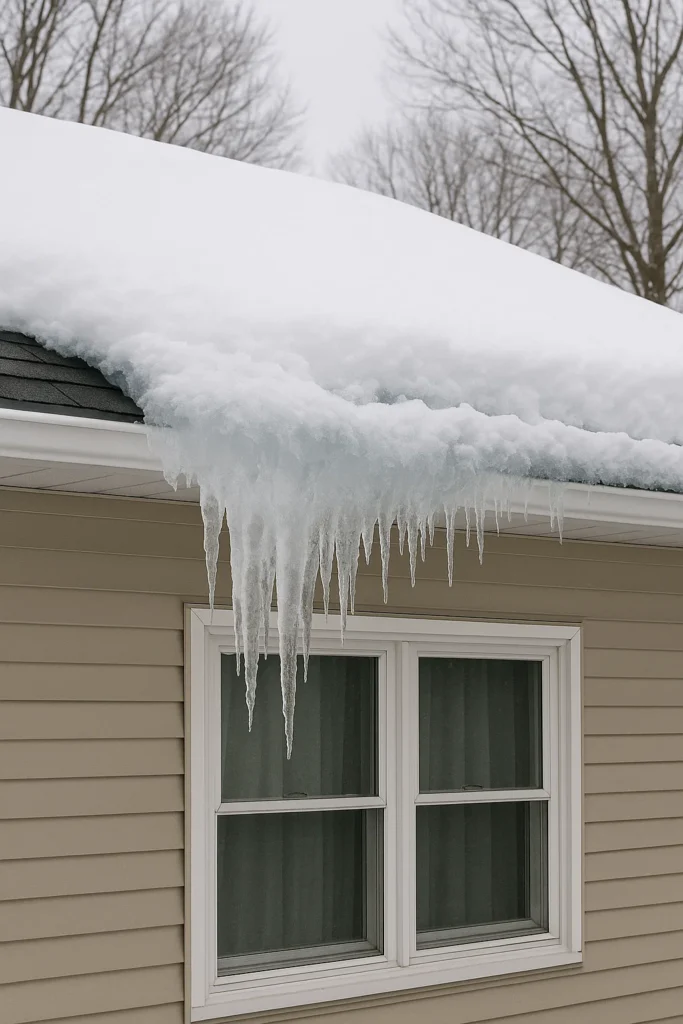
Fallen leaves and debris can clog gutters, forcing water to back up under shingles. When temperatures dip, that trapped water freezes and forms ice dams that can damage your fascia and roof edge. Regular gutter cleaning is one of the easiest ways to prevent roof leaks and avoid costly repairs.
Pro Tip: Flush your gutters with a hose after cleaning to make sure water flows freely. If water backs up or pools, check for sagging gutters or downspouts. A must-do on the winter roofing checklist!
4. Sagging, Soft, or Wavy Roof Deck
A roof deck that sags or feels soft underfoot can indicate trapped moisture or weakened structural support. This condition can worsen quickly during winter as snow adds weight and moisture freezes and thaws.
Avoid walking on your roof (especially when it’s cold or wet). Instead, contact a roofing professional to inspect and repair any sagging areas safely.
Pro Tip: Step back from your house and look at your roofline in natural light. If you notice dips, uneven ridges, or ripples, schedule an inspection before snow arrives.
5. Rusted Flashing and Worn Sealant
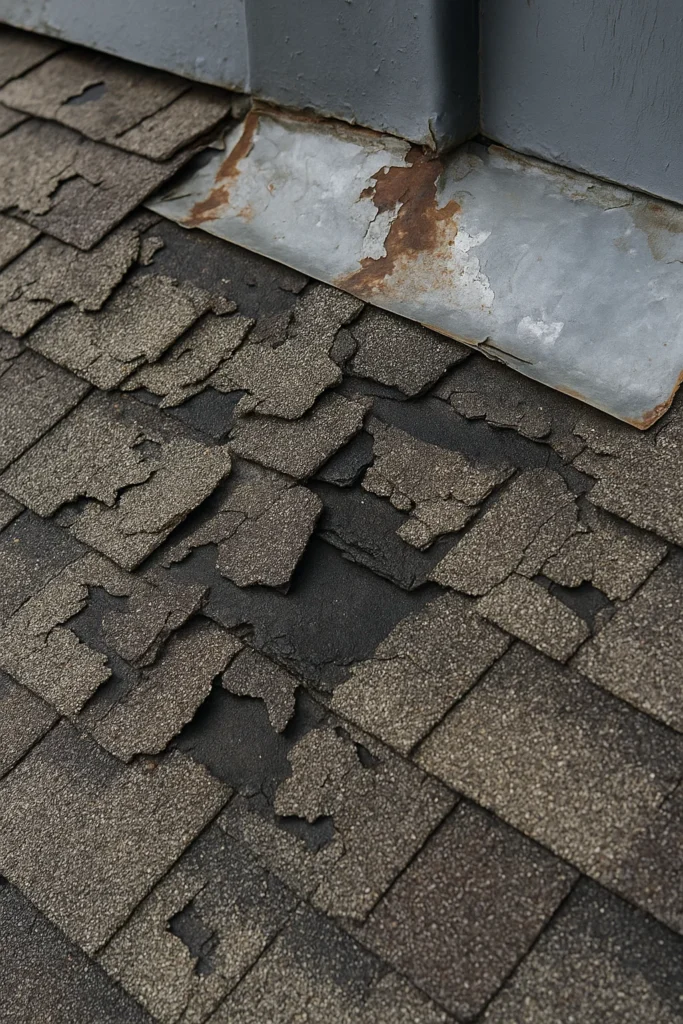
Flashing around chimneys, vents, and skylights protects some of the most vulnerable points on your roof. When metal flashing rusts or sealant wears away, water can easily seep through and cause leaks inside your home.
Flashing failures are one of the top causes of winter leaks. Inspecting these areas should be a top priority on your winter roofing checklist.
Pro Tip: During fall cleanup, take a quick look at your roof’s flashing. Rust, peeling sealant, or gaps around chimneys are all warning signs.
Why Winter Inspections Matter
A winter roof inspection isn’t just about preventing leaks; it’s about protecting the overall life of your roof. Small issues that go left unchecked get worse when temperatures drop. Snow can lead to serious structural damage, higher energy bills, and premature roof replacement.
Identifying cracked shingles, weak flashing, or hidden moisture now helps your roof last longer and perform better year-round.
For homeowners across Philadelphia, Bucks, Montgomery, and Delaware Counties, a seasonal inspection is a no-brainer roof maintenance tip. A little preventive care today can spare you expensive roof repair. Plus, you can extend the lifespan of your home’s first line of defense.
Protect Your Home Before the Cold Hits
Union Roofing’s experienced team provides thorough inspections and 24/7 emergency service throughout Philadelphia, Bucks, Montgomery, and Delaware Counties. Don’t get left out in the cold! Schedule your winter roof inspection with Union Roofing today to ensure your roof is ready for the season ahead.
FAQs: Winter Roof Inspections
Skipping a winter roof inspection increases the risk of leaks, ice dams, and costly water damage. Small issues that go unnoticed in the fall can turn into major repairs once freezing temperatures and snow arrive.
The cost of a winter roof inspection depends on the size and condition of your home. Most homeowners find it’s a small investment compared to the expense of repairing water or storm damage later.
It’s best to avoid climbing on your roof, especially in cold or wet weather. A professional roofing contractor has the right safety equipment and experience to spot damage you might miss from the ground.
Schedule your inspection in late fall—before the first freeze or heavy snowfall. This timing allows plenty of opportunity for any necessary repairs before winter weather arrives.
Yes. Union Roofing provides 24/7 emergency roof repair services throughout Philadelphia, Bucks, Montgomery, and Delaware Counties. Our team is available to take care of leaks and storm-related damage during the winter months.
What happens if I skip a winter roof inspection?
Skipping a winter roof inspection increases the risk of leaks, ice dams, and costly water damage. Small issues that go unnoticed in the fall can turn into major repairs once freezing temperatures and snow arrive.
How much does a winter roof inspection cost?
The cost of a winter roof inspection depends on the size and condition of your home. Most homeowners find it’s a small investment compared to the expense of repairing water or storm damage later.
Can I inspect my own roof safely?
It’s best to avoid climbing on your roof, especially in cold or wet weather. A professional roofing contractor has the right safety equipment and experience to spot damage you might miss from the ground.
When is the best time to schedule an inspection before winter?
Schedule your inspection in late fall—before the first freeze or heavy snowfall. This timing allows plenty of opportunity for any necessary repairs before winter weather arrives.
Does Union Roofing offer emergency winter repairs?
Yes. Union Roofing provides 24/7 emergency roof repair services throughout Philadelphia, Bucks, Montgomery, and Delaware Counties. Our team is available to take care of leaks and storm-related damage during the winter months.