Winter weather puts serious stress on your roof. Snow accumulation, freeze-thaw cycles, and ice buildup can lead to leaks, structural damage, and costly repairs. The good news is that most winter roof problems are preventable with the right preparation and maintenance before storms arrive.
Preparing your roof for snow and ice starts with clearing gutters, inspecting flashing and penetrations, and confirming proper attic insulation and winter ventilation. Roof frost damage and ice dams occur when heat escapes through the attic, melts snow on the upper roof, and refreezes at colder eaves. Professional roof de icing uses controlled steam to remove ice safely without damaging shingles, while heating cables can help reduce ice in targeted areas but do not replace insulation and ventilation improvements. Scheduling a winter roof inspection before the first major snowfall helps identify vulnerabilities and prevent emergency roof repair.
Ready to protect your roof this winter? Schedule a winter roof inspection or request a repair estimatetoday. Call us now for immediate assistance.
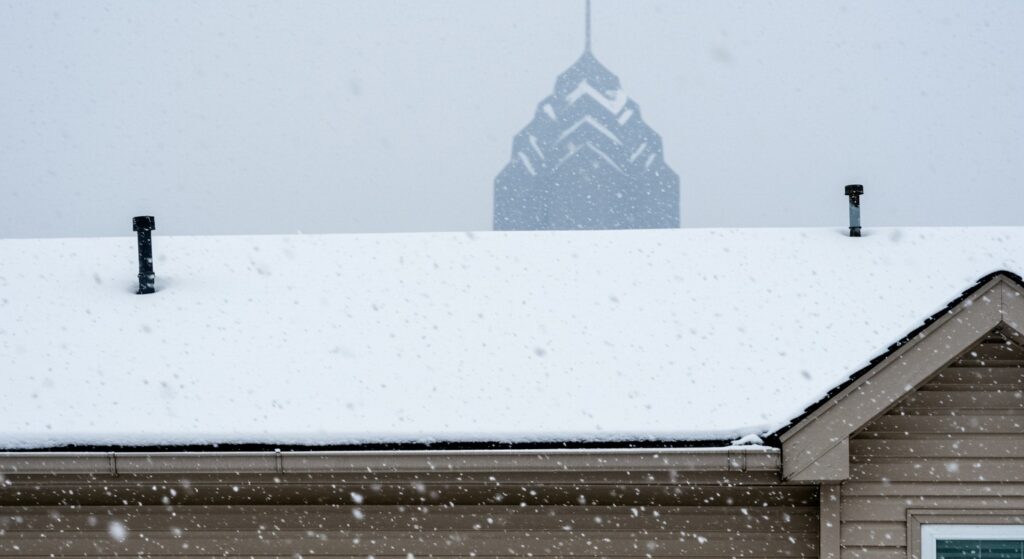
What Causes Roof Frost Damage and Ice Dams
Ice dams form when warm air from your living space escapes into the attic and heats the roof deck. This heat melts snow on the upper portions of your roof. The water runs down toward the eaves, where the roof surface is colder because it extends beyond the heated building envelope.
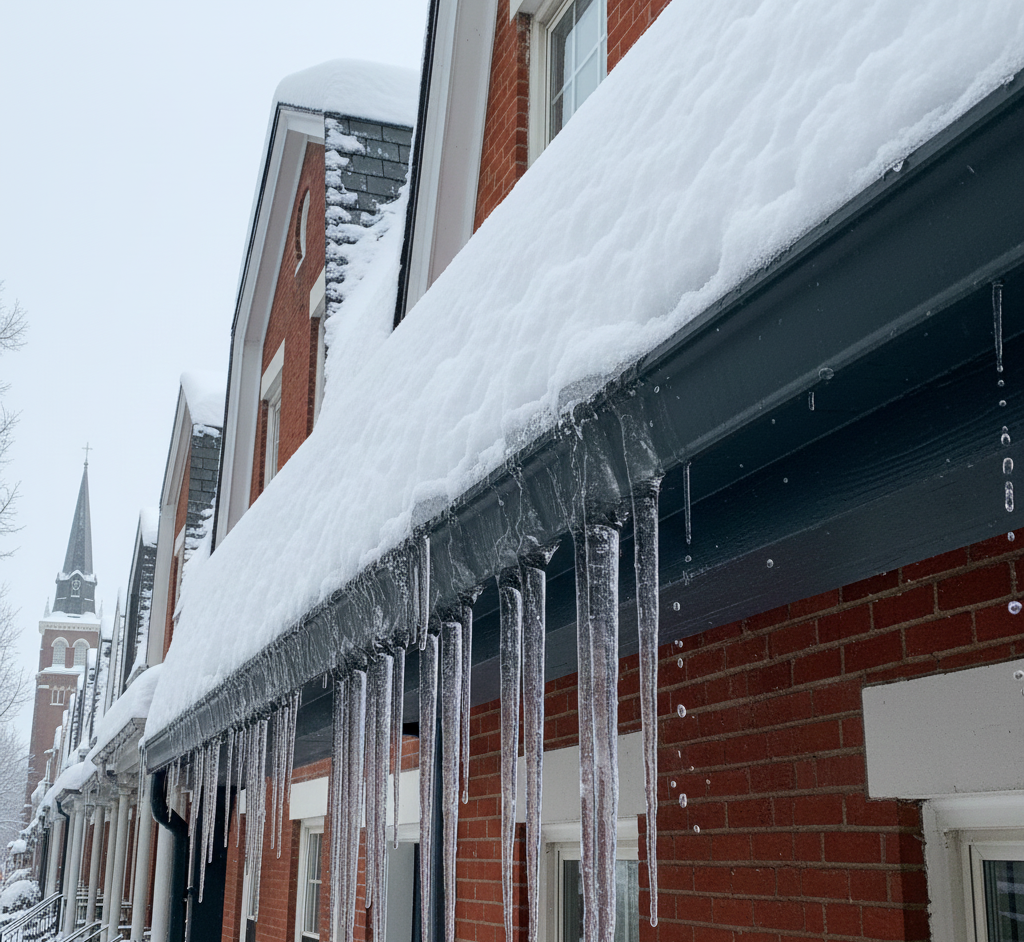
Over time, the refrozen water builds up into ice dams. As more snow melts, water backs up behind the ice and can work its way under shingles, into the roof deck, and down into ceilings and walls, resulting in hidden moisture and interior leaks. Several factors increase your risk:
- Poor attic insulation that allows heat to escape
- Inadequate attic ventilation that traps warm air near the roof deck
- Clogged gutters that increase gutter ice buildup
- Complex roof geometry with valleys and dormers
- Low slope or flat sections where water moves slowly
This freeze thaw cycle can continue all winter, worsening roof frost damage with each storm.
How Do You Safely De Ice a Roof
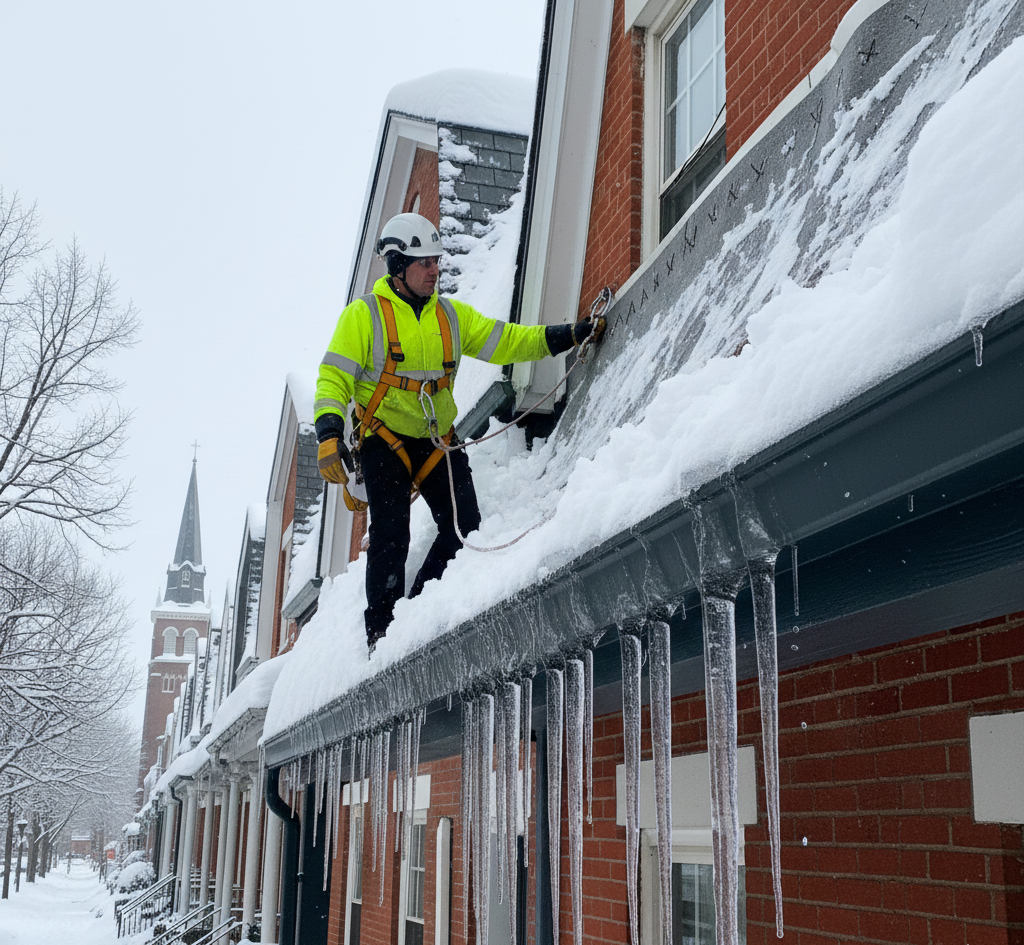
The safest way to roof de icing is professional steam de icing. This method melts channels through ice without scraping, chemicals, or direct contact with roofing materials.
Never chip ice with hammers, chisels, or sharp tools. These methods damage shingles, loosen flashing, and create new leak paths. Rock salt and chemical deicers also shorten the lifespan of roofing materials.
For light roof snow removal, homeowners can use a roof rake from the ground only, pulling snow straight down. Avoid accessing icy roofs, as falls and surface damage are common during winter conditions.
Do Heating Cables Prevent Ice Dams
Heating cables reduce ice dam formation but do not prevent them entirely. They create drainage paths but do not fix the underlying heat loss problem. You still need proper attic ventilation and insulation. Roof heating cables increase utility costs and work best as part of a broader prevention strategy.
Prevention Checklist Before a Storm
Taking action before winter weather arrives saves you from emergency roof repair situations.
Clear Gutters and Downspouts
Remove all leaves, twigs, and debris from gutters in late fall. Flush downspouts with a hose to confirm they drain freely. Blocked gutters accelerate ice formation at the roof edge and increase roof load. Professional gutter repair ensures your drainage system is ready for winter.
Inspect Flashing and Penetrations
Check the metal flashing around chimneys, skylights, vents, and where roof planes meet. Look for rust, gaps, or lifted edges. These spots are common leak entry points when ice and water back up. Schedule roof repair for any damaged areas you discover.
Confirm Attic Insulation and Ventilation
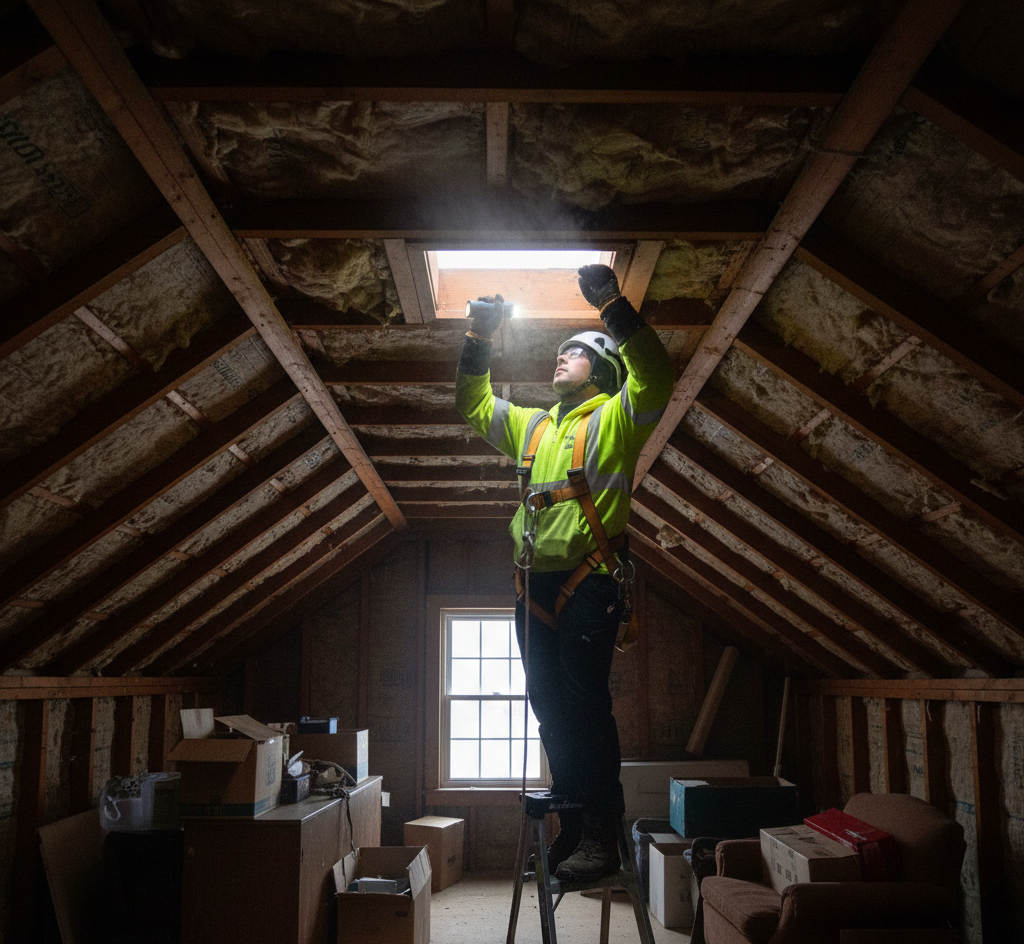
Go into your attic on a cold day after a snowfall. If the underside of your roof deck has frost, you have an insulation or ventilation problem. The attic should be cold and dry. Improving attic insulation for ice dams and ensuring vents remain unobstructed helps reduce roof frost damage.
Seal Interior Air Leaks
Seal gaps around attic hatches, recessed lights, plumbing stacks, and wiring penetrations. Reducing warm air escape limits snow melt and refreezing at the eaves.
Need help preparing your roof? Contact our team to discuss attic ventilation and insulation improvements.
What Winter Maintenance Should I Do for a Flat Roof
Flat roofs need special attention in winter. Snow and ice sit longer on low slope surfaces, increasing load and leak risk.
Keep Drains and Scuppers Open
Clear all drains, scuppers, and overflow points before storms. Blocked drains cause water to pond, freeze, and expand against the roof membrane.
Monitor Snow Load
If snow depth exceeds 12 inches or visible sagging appears, contact a professional for safe roof snow removal. Avoid walking on icy flat roofs.
Watch for Ponding Water
After a thaw, check for standing water. Water that does not drain within 48 hours can refreeze and cause membrane cracking. Persistent ponding indicates a drainage issue or structural sag that needs correction.
Inspect Seams and Edge Metal
Flat roof membranes expand and contract with temperature changes. Winter cold can open seams or crack aged materials. If you are not comfortable accessing your flat roof in winter, schedule a professional flat roof winter maintenance inspection.
When Should I Call a Roofer for Winter Leaks
Winter leaks rarely resolve on their own and typically worsen with continued snow and refreezing.
Interior Leak Indicators
Check your ceilings and walls after major snow events or warm spells. Warning signs include:
- Brown or yellow stains on ceilings
- Water dripping from light fixtures or vents
- Ice forming inside soffits or attic spaces
- Musty odors in upper floor rooms
- Peeling paint or sagging drywall
Immediate Response Steps
If you discover an active leak, contain the water with buckets or tarps. Move furniture and valuables away from the affected area. Document the damage with photos for insurance purposes.
Call for emergency roofing services right away. Do not wait for the ice to melt on its own. Continued exposure causes more damage.
When to Repair vs Replace
Not every winter leak means you need a new roof. Age, condition, and damage extent all factor into the decision.
Repair May Be Appropriate When:
- The roof is under 15 years old
- Damage is limited to one area
- The roof deck remains solid
- This is your first winter leak
Consider Replacement If:
- Your roof is nearing the end of its expected lifespan
- You have had multiple leaks in different areas
- Ice dams occur every winter despite prevention efforts
- The roof deck shows soft spots or water damage
A roof replacement provides an opportunity to upgrade insulation, improve ventilation, and install ice dam prevention features from the start. Modern materials and installation techniques reduce future winter maintenance needs.
Union Roofing serves homeowners and property managers throughout Philadelphia and nearby counties in Pennsylvania, as well as select markets in South Jersey.
Frequently Asked Questions
Do heating cables prevent ice dams or just reduce them?
Heating cables reduce ice dam formation but do not eliminate it. They manage water flow but do not correct attic heat loss.
What is the safest way to de ice a roof without damaging shingles?
Professional steam roof de icing safely melts ice without scraping or chemicals.
How do I know if frost damage has reached my attic or drywall?
Look for frost on roof decking, wet insulation, ceiling stains, bubbling drywall, or musty odors.
Can clogged gutters alone cause ice dams?
Clogged gutters worsen ice dams but usually are not the only cause. Heat loss from the attic remains the primary factor.
What should I do if my flat roof freezes and water starts ponding?
Do not access the roof. Frozen ponding increases failure risk. Call a professional immediately.
When should I schedule a winter inspection versus an emergency call?
Schedule an inspection before winter or between storms. Call for emergency roof repair when active leaks or structural concerns appear.
Protect Your Roof This Winter
Winter does not have to result in roof damage or emergency repairs. With proper preparation and professional maintenance, most cold weather roofing issues are preventable.
Union Roofing provides winter roof inspections, roof repair, emergency roof repair, ice dam prevention solutions, and roof replacement services across all service areas.
Schedule a winter roof inspection
Call us now for immediate assistance