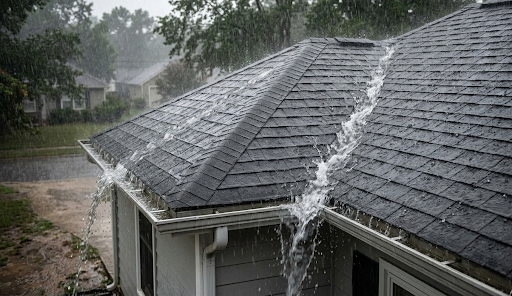
Spring in Pennsylvania, New Jersey, and Delaware brings heavy rainfall that can expose weakness in your roofing system. A spring roof inspection checklist helps you stay ahead of leaks and storm damage. Taking preventative steps now costs less than emergency repairs after a major downpour. Here is what homeowners should review before storm season begins.
A spring roof inspection checklist helps homeowners prepare for heavy rain by identifying issues like damaged shingles, clogged gutters, and flashing problems. Addressing these early can prevent leaks, water damage, and costly repairs during peak spring storms.
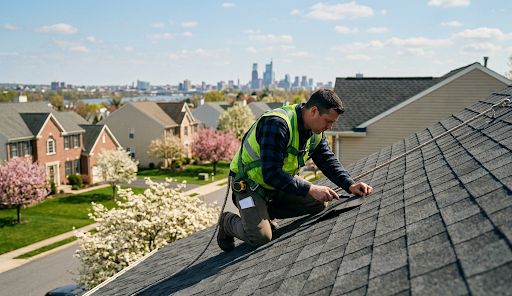
Why Spring Rain Is Hard on Your Roof
Winter is quietly brutal on roofing materials. Freeze-and-thaw cycles push water into small cracks, which expand and contract with temperature changes. By the time spring arrives, shingles, flashing, and sealants may be weakened, even if damage is not visible from the ground.
Spring also brings increased rainfall across the Mid-Atlantic region. The National Weather Service records some of the year’s heaviest precipitation levels between March and May in this area. Saturated roofing materials lose efficiency, and wind-driven rain can enter through small gaps.
Together, winter wear and spring storms create a critical window for inspection and maintenance.
Spring Roof Inspection Checklist
Use this checklist to evaluate your roof before the heavy rain becomes frequent. Walk around your home and use binoculars if needed. Avoid climbing onto a wet or damaged roof.
- Shingles: Look for missing, cracked, curling, or buckling shingles. Granule loss, seen as dark patches or debris in gutters, indicates aging.
- Flashing: Inspect metal strips around chimneys, skylights, vents, and valleys. Look for rust, gaps, or lifted edges.
- Gutters and Downspouts: Remove debris and ensure gutters are securely attached. Loose gutters can cause overflow and water damage.
- Downspout Drainage: Confirm water is directed at least four to six feet away from the foundation.
- Roof Valleys: Check for debris buildup. Blocked valleys can lead to water pooling and faster wear.
- Sagging or Uneven Areas: Look for dips or uneven sections along the roofline. These may indicate structural stress.
- Sealant and Caulking: Inspect around vents, pipes, and chimneys. Cracked or dry sealant allows water to enter.
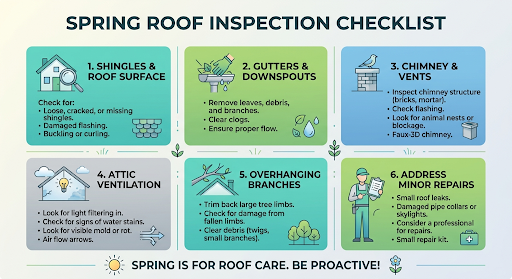
If you notice multiple issues, contact Union Roofing to schedule a professional inspection before conditions worsen.
Gutters and Drainage: Your First Line of Defense
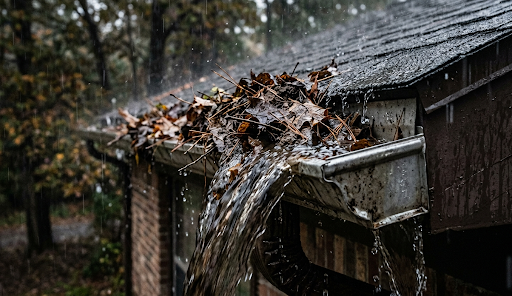
Gutters do more than collect rainwater. They protect your fascia boards, siding, foundation, and landscaping from overflow damage. A clogged gutter during a heavy spring storm can push water under shingles and lead to interior leaks that are difficult to trace.
Clean gutters at least once in early spring, after winter debris has settled. Check that all sections are secure and pitched toward the downspout. Even a slight backward pitch allows water to collect, adding weight and increasing the risk of rust or rot.
Downspout placement is equally important. Extensions and splash blocks should direct runoff well away from your home’s foundation. Water pooling near the base of the home can enter basements and affect structural stability over time.
Gutter cleaning for spring rain is one of the simplest and most effective maintenance tasks. If your gutters are more than 10 years old or visibly damaged, consider replacing them as part of your seasonal plan.
Common Roof Problems That Lead to Leaks
Most spring roof leaks come from a small number of recurring failure points. Knowing these helps with early detection and timely repair.
- Cracked or Separated Flashing: A common cause of roof leaks around roof penetrations. Even small gaps allow water to travel and appear inside walls or ceilings.
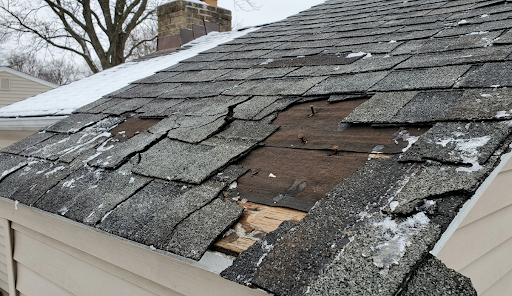
- Loose or Sissing Shingles: These create direct openings in your roof system. Wind damage from late winter storms is a frequent cause.
- Ice Dam Aftermath: Ice dams form when melting snow refreezes at the eave. This process can damage the underlayment and lead to leaks during spring rain.
- Sealant Failure: Caulk around pipes, vents, and chimneys can crack from exposure to weather. This creates entry points for water.
Explore Union Roofing’s services to understand how these issues are identified and repaired through professional inspection.
Warning Signs Your Roof Is Not Ready for Heavy Rain
Some roof issues become visible before storms arrive. Check for these signs inside and outside your home:
- Ceiling Stains or Discoloration: Brown or yellow water stains on ceilings or upper walls often indicate active or past leaks.
- Mold or Mildew Odor in the Attic: Moisture buildup encourages mold growth, especially in poorly ventilated spaces.
- Dripping or Wet Insulation: Damp or stained insulation suggests ongoing water intrusion.
- Exterior Wall Streaking: Dark streaks below roof edges or gutters often signal overflow or poor drainage.
- Granules in Gutters: Excess shingle granules indicate aging materials and reduced protection.
If you notice any of these signs, schedule a roof inspection rather than waiting for visible damage to increase.
DIY vs. Professional Roof Inspection
Homeowners can safely handle several parts of a spring roof inspection without climbing on the roof. From the ground, you can assess shingle condition with binoculars, check gutters for blockages and detachment, inspect visible flashing from adjacent windows, and look for streaking or staining on exterior walls.
However, certain situations require professional evaluation:
- Roof age exceeds 10–15 years
- Visible sagging or structural concerns
- Interior leaks or ceiling stains
- Recent exposure to strong wind or ice events
- Preparing to sell the property or file an insurance claim
Professional inspectors have the tools and experience to identify problems that are not visible from the ground. They can access the valleys, check underlayment conditions, and evaluate the integrity of flashing in areas that require safe roof access.
Safety is the primary reason to call professionals. Wet or damaged roofs increase the risk of falls and injury.
How Union Roofing Helps Prepare Your Roof for Spring
Union Roofing supports homeowners across Pennsylvania and New Jersey with comprehensive spring roof preparation services designed to prevent costly storm-related damage.
- Inspections: Certified technicians conduct thorough evaluations of shingles, flashing, gutters, underlayment, and structural components. You receive a detailed report with clear findings.
- Repairs: From replacing individual shingles to re-flashing chimneys and sealing penetrations, Union Roofing handles targeted repairs to prevent small problems from becoming major leaks.
- Preventative maintenance: Regular maintenance programs extend roof lifespan and keep warranty coverage intact. Proactive care is consistently more cost-effective than reactive repair.
- Fast storm response: When damage occurs, rapid assessment and temporary protection minimize interior damage while permanent repairs are scheduled.
A spring roof inspection by a qualified contractor is one of the most valuable investments a homeowner can make in protecting their property ahead of storm season.
Schedule Your Spring Roof Inspection
Do not wait for a leak to discover your roof needs attention. Spring storm season in the Mid-Atlantic moves quickly, and scheduling early ensures you are protected before the heaviest rainfall arrives.
Contact Union Roofing to speak with a roofing professional and get your home ready for the season.
Union Roofing serves homeowners throughout Pennsylvania, New Jersey, and Delaware. Visit unionroofing.net to learn more about roofing services and maintenance programs.