

New Roof Installation in Philadelphia & NJ: What to Expect, What it Costs, and How to Choose
A new roof usually becomes necessary in one of two situations: your current roof has reached the end of its lifespan, or storm damage has forced the decision sooner than expected. Residential roof installation is a major investment, but it should not feel overwhelming. Here is what homeowners in Philadelphia and New Jersey should know about the signs it’s time for a replacement, the installation process, cost factors, and how to compare roofing contractors with confidence.
What the Install Process Looks Like
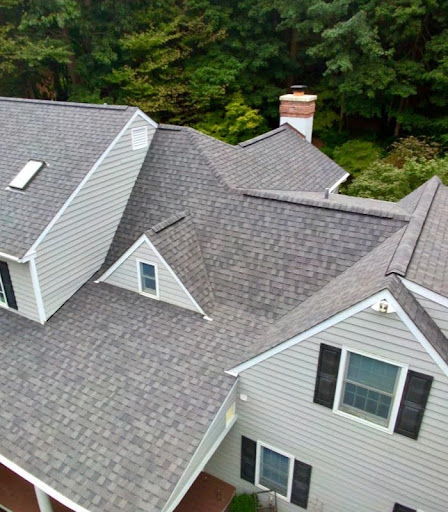
A clear process makes residential roof installation much less stressful. Most projects follow the same general steps.
First comes the inspection. A contractor checks the roof surface, flashing, ventilation, gutters, attic signs, and any leak history. Union’s inspection page says its team checks shingles, flashing, gutters, vents, and other roof components, then provides a report with photos and recommendations.
Next comes the written estimate. A quality estimate should clearly explain the recommended scope of work, materials, labor, tear-off needs, and project timeline.
From there, you choose the roofing material, approve the estimate, and schedule the project. On installation day, the crew protects your property, removes the existing roof if necessary, inspects the decking, installs underlayment, replaces flashing where required, installs the new roofing system, completes cleanup, and reviews warranty information.
Most residential replacements are completed within 1 to 3 days, weather permitting. Steep roofs, difficult access, damaged decking, or specialty materials may extend the schedule.
What Affects the Cost of a New Roof?
There is no single price for a new roof because every home is different.
Several factors influence the final cost, including:
- Roof size and square footage
- Roof pitch and accessibility
- Roofing material
- One-layer versus two-layer tear-off
- Decking condition under the old roof
- Chimneys, skylights, valleys, and flashing details
- Ventilation upgrades
- Access for crews, ladders, and disposal
- Local code requirements in Pennsylvania or New Jersey
A simple asphalt shingle roof typically costs much less than a steep slate roof with damaged decking and complex flashing.
That is why a written estimate is so important. It should clearly explain what is included, what is excluded, and what additional costs could arise if hidden damage is discovered after the tear-off.
Choosing the Right Roofing Material
The best roofing material depends on your home, budget, style, and how long you plan to stay in the property.
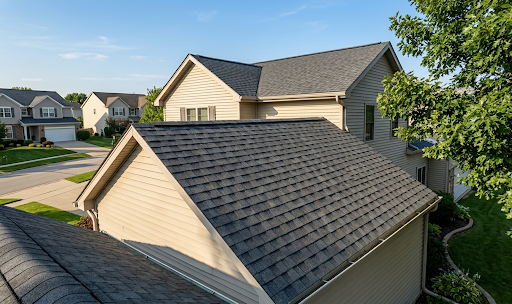
Asphalt shingle roofing is the most common choice for many homeowners. Union’s asphalt page notes that asphalt shingles are popular, customizable, and generally one of the more affordable roofing options. They typically last 20 to 30 years with proper installation and maintenance.
Metal roofing can make sense when you want a longer-lasting system with lower maintenance. It often costs more upfront but can be a strong choice for homeowners planning to stay long term.
Slate roofing fits historic homes, higher-end restorations, and properties where appearance and lifespan matter most. Union’s slate page notes that a properly installed and maintained slate roof can last 100 years or more.
In general, choose asphalt for value and broad design flexibility, metal for durability and lower maintenance, and slate for long-term performance on homes built to support it.
How to Compare Roofing Contractor Quotes
Be cautious of vague estimates, large upfront deposits, pressure to sign immediately, no written scope, no insurance proof, or quotes that are far lower than competitors without a clear explanation.
If you are still comparing service options, contact Union Roofing to request a personal inspection and written estimate. It is the best place to start.
A roofing estimate should provide much more than the final price.
Look for:
- License and insurance information
- Manufacturer certifications
- Clear labor and material costs
- Tear-off details
- Decking replacement terms
- Flashing and ventilation information
- Cleanup and disposal details
- Warranty coverage
- Payment schedule
- References or verified customer reviews
Union Roofing is one of the GAF-certified contractors that has achieved Master Elite status and has over 40 years of experience serving Philadelphia and New Jersey homeowners.
Why Choose Union Roofing?
Union Roofing has spent more than 40 years installing and repairing roofs across Philadelphia, Bucks County, Montgomery County, Delaware County, and South Jersey communities, plus Burlington, Cape May, Gloucester, Camden, and Atlantic counties in NJ.
Union also brings manufacturer certification experience to residential roof installation, including GAF Master Elite status noted on the current installation page.
That proof matters because a new roof is not just shingles. Proper ventilation, decking, flashing, underlayment, cleanup, workmanship, and warranty support all work together to protect your home for years to come.
Frequently Asked Questions
How Long Does a Residential Roof Installation Take?
Most standard residential replacements take 1 to 3 days, weather permitting. Larger homes, steep roofs, specialty materials, or damaged decking may require additional time.
Can My Old Roof be Installed Over, or Does it Need to be Torn Apart?
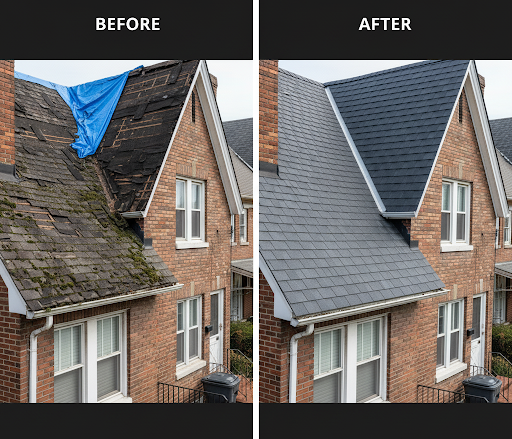
It depends on the condition of the existing roof, local building codes, the number of existing roofing layers, and the condition of the roof decking. A complete tear-off usually gives the contractor a better look at hidden damage and creates a cleaner base for the new system.
What Warranty Comes with a New Roof?
Warranty coverage depends on the material, manufacturer, and installation scope. Always ask for both material and workmanship warranty terms in writing before approving the project.
Do I Need to Be Home During the Installation?
Usually, you do not need to be home throughout the installation. However, you should remain available by phone in case the crew discovers damaged decking, ventilation issues, or other conditions that need your approval before work continues.
Schedule Your Free Residential Roofing Estimate
The next step is not guessing from the ground.
Schedule a professional inspection and receive a written estimate. Union Roofing can determine whether your home needs a full replacement, a repair, or more time before replacement becomes necessary.
If residential roof installation is the right choice, you will understand the project scope, material options, timeline, and cost factors before work begins.
Contact Union Roofing to request help with residential roofing, roof repairs, or a new roof installation throughout Philadelphia and North Wildwood.