TPO Roofing for Commercial and Flat-Roof Buildings
If you are comparing TPO roofing with PVC, EPDM, or modified bitumen, the most important question is not which material is most popular. The better question is which roofing system best fits your building, roof design, budget, and long-term maintenance goals.
For commercial property owners or facility managers throughout Philadelphia and New Jersey, understanding how TPO performs can help you make a more informed roofing decision before requesting estimates.
What Is TPO Roofing?
TPO (thermoplastic olefin) is a single-ply roofing membrane commonly used on flat and low-slope commercial roofs.
The material is made from a blend of polypropylene and ethylene-propylene rubber. The membrane is commonly installed in large sheets, with seams heat-welded together to create a watertight roof surface. Most TPO membranes are white or light-colored, helping reflect sunlight and reduce heat buildup inside the building.
In simple terms, TPO is a durable, reflective roofing membrane designed specifically for commercial flat-roof applications.
How Long Does a TPO Roof Last?
Most TPO roofing systems are typically designed to last 15 to 25 years, depending on installation quality, membrane thickness, drainage, climate, and maintenance. A properly installed TPO roof is more likely to achieve its full service life when seams are welded correctly, drainage is effective, flashing details are properly installed, and regular inspections are performed.
It may age faster if the installation is rushed, water sits on the roof, rooftop equipment is serviced without walk pads, or maintenance is ignored.
TPO Roofing Costs and What Affects Pricing
There is no standard cost for a TPO roofing system because every commercial building presents different conditions.
Material thickness, labor requirements, and project complexity also affect overall pricing.
The most accurate way to determine cost is through a professional roof inspection and a written estimate.
Project pricing is influenced by:
- Total square footage
- Roof access and building height
- Existing roof condition
- Tear-off versus overlay installation
- Attachment method, such as fully adhered or mechanically attached
- Insulation needs
- Drainage improvements
- Flashing and penetration details
- Building occupancy during construction
When TPO Roofing Is a Good Choice
Commercial TPO roofing is a strong fit for many flat and low-slope buildings, especially when the owner wants a reflective membrane, moderate material cost, and a lighter system than some multi-layer roof assemblies.
TPO is commonly installed on:
- Retail buildings
- Warehouses
- Office buildings
- Mixed-use properties
- Institutional buildings
- Industrial buildings
Union Roofing handles flat roof installation, roof replacement, industrial systems, and commercial roof services for businesses in PA and NJ.
If you are comparing broader flat-roof options, Union Roofing can help connect TPO to the larger commercial roof plan.
When TPO May Not Be the Best Option
TPO is not the right solution for every building.
It is not usually the right choice for steep-slope roofs, where asphalt shingles, metal, slate, or another steep-slope system may fit better. Some small residential flat-roof sections may also need a different approach depending on drainage, accessibility, and integration with the rest of the roof.
Heavy foot traffic is another factor. If HVAC crews, maintenance teams, or tenants regularly access the roof, the system may need walk pads and extra protection. Without these measures, foot traffic can accelerate membrane wear.
If your roof is actively leaking, do not wait for a full replacement plan to begin. Union Roofing provides emergency commercial roof repair service, which is the better path when water intrusion is already affecting the building.
TPO vs. PVC vs. EPDM
For many commercial property owners, TPO offers a practical balance of energy efficiency, durability, and cost.
PVC roofing may be worth comparing for restaurants, industrial sites, or buildings where chemical resistance matters. EPDM roofing may fit owners who want a rubber membrane with a longer market history and simpler repair profile.
| Material | Best Fit | Considerations |
| TPO | Common commercial flat roofs seeking a reflective single-ply system | Installation quality and seam welding are critical |
| PVC | Buildings needing stronger chemical or grease resistance | Usually higher upfront cost |
| EPDM | Owners seeking a proven rubber roofing system | Absorbs more heat than reflective membranes |
| Material | Best Fit | Considerations |
|---|---|---|
| TPO | Common commercial flat roofs seeking a reflective single-ply system | Installation quality and seam welding are critical |
| PVC | Buildings needing stronger chemical or grease resistance | Usually higher upfront cost |
| EPDM | Owners seeking a proven rubber roofing system | Absorbs more heat than reflective membranes |

What a TPO Installation Looks Like
A typical TPO roofing installation follows a structured process:
- Inspect the existing roof, drainage, insulation, flashings, and rooftop equipment.
- Design the scope based on building conditions and roofing goals.
- Remove the existing roof if needed or prepare the existing surface for overlay.
- Install insulation or cover board when required.
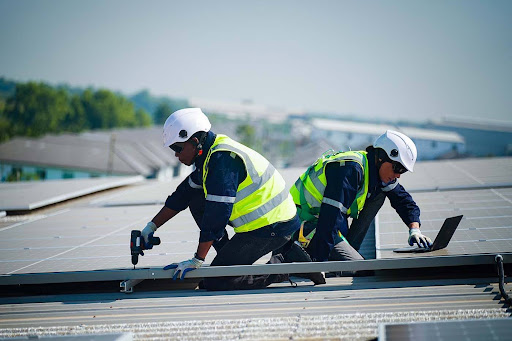
- Install the TPO membrane and heat-weld seams.
- Detail flashings, roof edges, drains, vents, and penetrations.
- Complete cleanup, final QA, and warranty review.
Many mid-sized commercial roofing projects can be completed within three to seven days, depending on size, access, weather, tear-off needs, and how much detail work is required. Smaller overlays may move faster. Larger or more complex buildings may take longer.
FREQUENTLY ASKED QUESTIONS
Is TPO Roofing Energy Efficient?
Yes, TPO can be energy efficient, especially when using a white or light-colored membrane. Light-colored TPO membranes help reflect sunlight and reduce heat buildup inside the building during warmer months.
Can a TPO Roof Be Repaired, or Does it Need Full Replacement?
Many TPO roofs can be repaired if the damage is localized and the membrane is still in good condition. Full replacement may make more sense when seams are failing widely, insulation is wet, drainage is poor, or the roof is near the end of its service life.
How Long Does TPO Installation Take on a Typical Commercial Building?
A mid-size commercial TPO flat roof installation takes approximately 3 to 7 days, depending on roof size, access, weather, tear-off needs, and detailing around rooftop equipment.
Does Union Roofing Install TPO on Residential Flat Roofs?
While TPO is primarily used on commercial and industrial buildings, some residential properties have low-slope roof sections that may also benefit from a TPO roofing system. The right material depends on roof access, drainage, tie-ins, and the rest of the home’s roof system.

Choosing a TPO Roofing Contractor in Philadelphia and NJ
A TPO roofing contractor should be able to explain the roof system, not just name the material.
Ask about seam welding, drainage, membrane thickness, flashing details, warranty terms, crew experience, and what happens if damaged decking or wet insulation is found. A clear quote should outline materials, labor, tear-off, insulation, disposal costs, and project timelines.
Union Roofing has served property owners throughout PA and NJ for more than 40 years and maintains GAF and ATLAS certifications along with an A+ Better Business Bureau rating.
That proof matters because TPO performance depends heavily on correct installation, welded seams, and long-term roof maintenance.