If you’re planning a roof replacement in Greater Philadelphia, you’re facing a three-way decision that will shape your home for the next 20 to 100 years: asphalt shingles, slate, or metal. This year especially, more local homeowners than ever are weighing metal roof vs shingles — searches for that comparison have surged across the region. The truth is, there’s no single “best” answer. The right roof depends on your budget, how long you plan to stay, your home’s style, and the rules in your neighborhood. As a family-run roofer that installs all three across Philadelphia and South Jersey, here’s our honest, side-by-side breakdown.
The Quick Comparison (At a Glance)
Here’s how the three materials stack up on the things Philadelphia homeowners ask about most — lifespan, relative cost, weight, and what each one is genuinely best for. Use it as a starting point, then read the detail below.
| Material | Typical Lifespan | Relative Cost | Weight | Best For | Philly Notes |
|---|---|---|---|---|---|
| Asphalt Shingles | 15–30 years | $ | Light | Budget-conscious replacements, most homes | The everyday standard on rowhomes and twins |
| Metal | 40–70 years | $$ | Light–Medium | Long-term owners, energy savings, low maintenance | Great for steep pitches and modern looks |
| Slate | 75–100+ years | $$$ | Heavy | Historic homes, forever homes, premium curb appeal | Often expected (or required) in historic districts |
Asphalt Shingles — Pros, Cons, and Cost
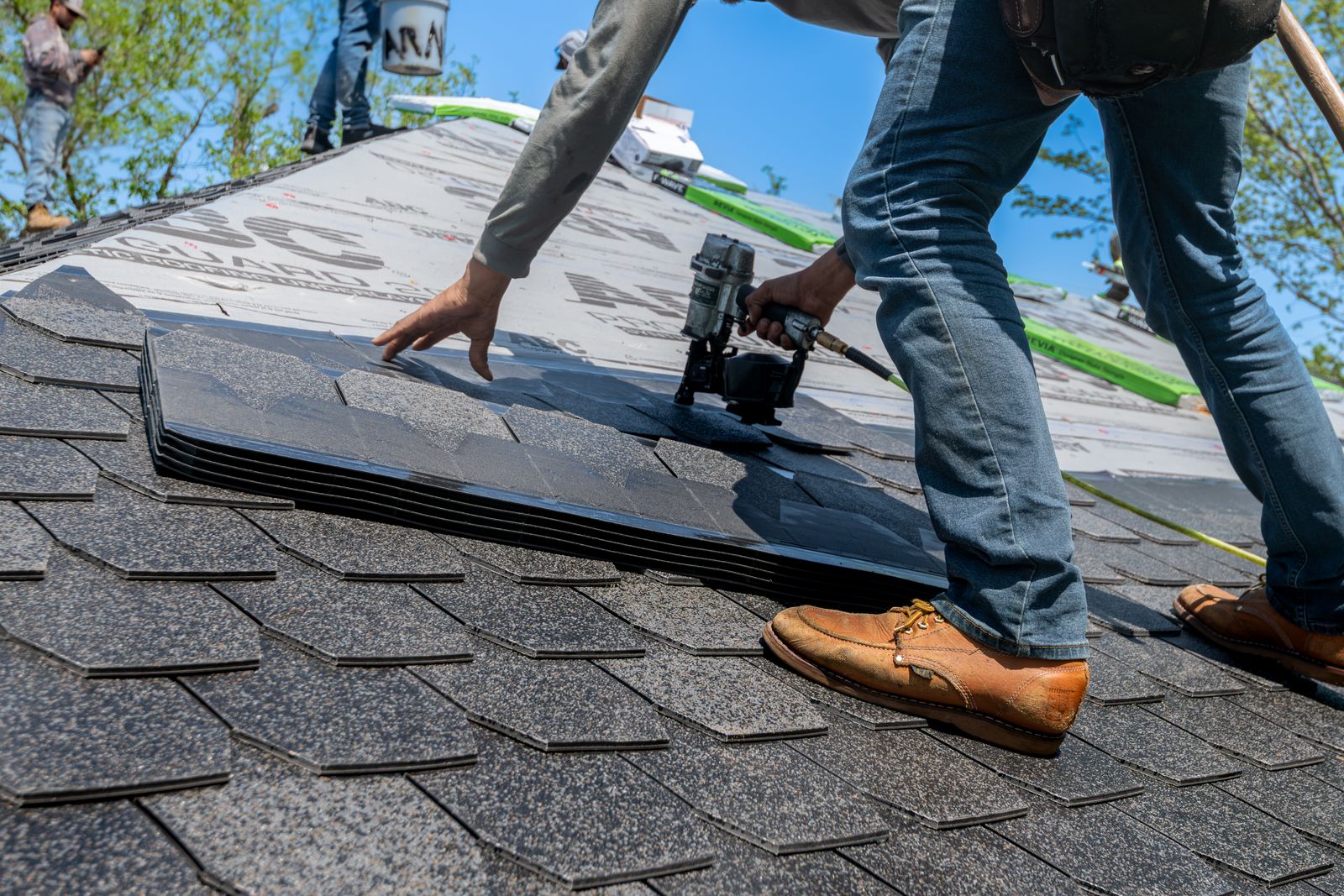
Asphalt shingles are on more Philadelphia homes than any other material, and for good reason. They’re the most affordable option upfront, they come in dozens of colors and profiles, and a quality architectural shingle handles our mix of humid summers and freeze-thaw winters well. For most rowhomes, twins, and single-family homes across Bucks and Montgomery counties, they’re the sensible default.
- Pros: Lowest upfront cost, fast installation, wide range of styles and colors, easy and inexpensive to repair.
- Cons: Shortest lifespan of the three (15–30 years), less resistant to high wind and heat than metal, needs replacing sooner.
- Cost: The most budget-friendly of the three materials — the reason it’s the go-to for value-focused replacements.
If you want a reliable, good-looking roof without a premium price tag — and you’re comfortable replacing it once or twice over the life of the home — asphalt is hard to beat.
Metal Roofing vs Shingles — The Real Trade-Offs
This is the comparison everyone’s asking about right now. When homeowners weigh metal roof vs shingles, or specifically asphalt vs metal roof, they’re usually trying to decide whether the higher upfront cost of metal is worth it. Here’s the honest math.
A metal roof costs more to install than asphalt, but it lasts roughly two to three times as long — 40 to 70 years versus 15 to 30. Over the full life of your home, that can actually make it the cheaper option, because you’re not paying for two or three re-roofs. Metal also reflects heat, which can lower cooling bills in summer, and it sheds snow and sheds our heavy Northeast rain beautifully.
- The noise myth: Modern metal roofs are installed over solid decking and underlayment, so they’re no louder in the rain than shingles. The “tin roof” drumming most people picture comes from old barns with no deck beneath.
- Energy efficiency: Reflective metal and cool-roof coatings can reduce summer heat gain — a real plus during Philadelphia’s hottest months.
- Resale and durability: Metal resists wind, won’t rot, and is fire-resistant, which appeals to buyers and can help at resale.
- The trade-off: Higher upfront cost, and repairs call for a roofer experienced with metal systems — not every crew is.
Metal isn’t only for houses, either — it’s a workhorse on commercial buildings. If you own one, our commercial metal roofing team can spec a standing-seam system built to last.
Slate Roofing — Beauty, Longevity, and Weight
Slate is the premium end of the market, and Philadelphia has plenty of it — walk through Chestnut Hill, Mount Airy, or any of the region’s historic districts and you’ll see slate roofs that have lasted a century. A properly installed and maintained slate roof can last 75 to 100 years or more, outliving the homeowner. Nothing else matches its natural stone look and curb appeal.
There are real considerations, though. Slate roof cost is the highest of the three, both for the material and the specialized labor it demands. Slate is also heavy — genuine stone puts significant load on your home, so your roof structure has to be able to carry it, and not every house can without reinforcement. And in some historic districts, slate (or a matching substitute) isn’t just an aesthetic choice — it may be expected or required to preserve the character of the neighborhood.
If you own a historic or high-end home and plan to stay for the long haul, slate is an investment that pays off in longevity and unmatched looks.
How to Choose the Best Roofing Material for Your Home
There’s no universally best roofing material — only the best one for your situation. Run your decision through these four questions:
- Your budget: Tight upfront budget? Asphalt. Willing to invest for long-term value? Metal. Premium budget for a forever home? Slate.
- How long you’ll stay: Moving in 5–10 years? Asphalt makes sense. Staying for decades? Metal or slate rewards you by outlasting multiple asphalt roofs.
- Your home’s style and structure: Match the material to the architecture — and make sure the structure can carry the weight, which matters most with slate.
- HOA and historic-district rules: Check local codes and neighborhood requirements before you commit. Historic districts often limit your options, and it’s better to know upfront.
Still unsure? That’s exactly what a free consultation is for. Want to see every option side by side first? Browse the roofing types we install to compare in one place.
Why Homeowners Across Philadelphia Choose Union Roofing
Union Roofing has served Greater Philadelphia and South Jersey for more than 40 years. We’re a family-run, licensed and insured contractor based in Northeast Philadelphia, and we install all three of these materials — so our advice isn’t steered toward whatever we happen to sell. We recommend the roof that’s right for your home, your budget, and your neighborhood.
- Free, no-pressure inspections and estimates
- Financing options to make a bigger investment manageable
- Manufacturer-backed warranties and workmanship you can count on
- Decades of local experience with Philly rowhomes, twins, historic homes, and commercial buildings
Ready for a replacement? Explore our roofing types we install and get a free, honest recommendation for your home.
Frequently Asked Questions
Is a metal roof better than shingles?
It depends on your priorities. A metal roof lasts far longer (40–70 years vs 15–30), reflects heat for lower cooling bills, and needs little maintenance — but it costs more upfront. Asphalt shingles win on affordability and are the smart pick if you’re on a budget or moving within a decade. For long-term owners, metal often costs less over the life of the home.
How much does a slate roof cost compared to asphalt?
Slate is the most expensive of the three — significantly more than asphalt — because of both the natural stone material and the specialized labor to install it. In return you get a roof that can last 75 to 100+ years. It’s most worthwhile on historic or forever homes where longevity and curb appeal justify the investment.
Are metal roofs noisy when it rains?
No — that’s a myth. Modern metal roofs are installed over solid decking and underlayment, so they’re no louder than shingles in a storm. The loud “tin roof” sound people imagine comes from old barns with metal fastened directly to open framing, with nothing underneath to dampen it.
Which roofing material is best for a Philadelphia home?
For most Philadelphia homes, quality asphalt shingles offer the best balance of cost and performance. Metal is the strongest long-term value if you’re staying put for decades. Slate is ideal for historic homes in districts like Chestnut Hill. The best choice comes down to your budget, how long you’ll stay, and any HOA or historic-district rules — which is why a free local consultation is worth it before you decide.